Proudly Serving Northern Virginia




Rated 4.9 on Google
Furnace Repair in Northern Virginia
or Call 703-968-0606
A furnace that will not start, struggles to heat the house, or begins making unfamiliar noises needs more than a quick guess at the cause. Service Specialties, Inc. provides furnace repair in Northern Virginia for residential heating problems involving ignition, airflow, electrical components, controls, and other furnace components.
Our technicians diagnose the source of the problem before recommending a repair. If your furnace is not operating correctly, schedule furnace repair with Service Specialties, Inc.
Signs Your Furnace Needs Repair
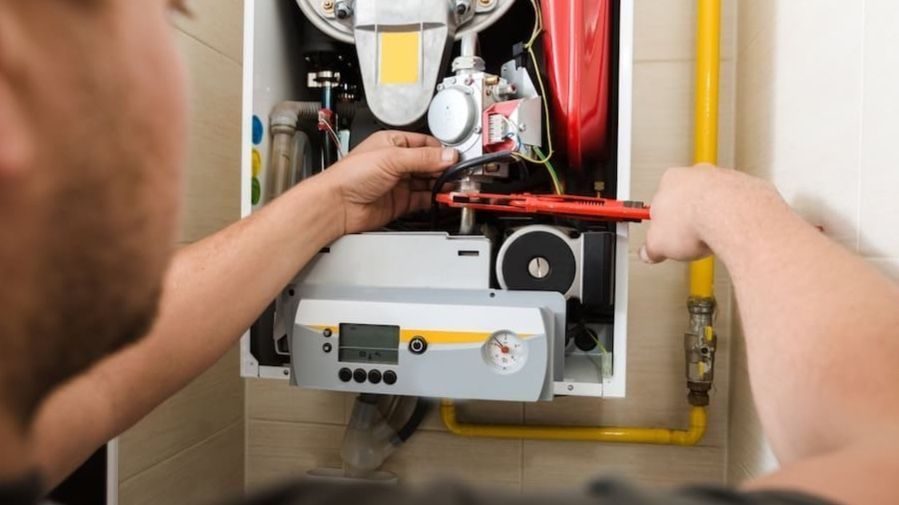
Changes in furnace operation can provide an early indication that a component is failing or the system is having trouble maintaining normal operation. Schedule an inspection if you notice:
-
Little Or No Heat. A furnace that runs without producing enough heat may have a problem involving ignition, burners, airflow, controls, or another component.
-
Frequent Cycling. Repeated starts and stops can indicate a thermostat, airflow, electrical, or equipment problem.
-
Unusual Furnace Noises. Banging, rattling, squealing, scraping, or buzzing can indicate mechanical or electrical problems that need diagnosis.
-
Weak Airflow. Reduced airflow from the vents can involve the filter, blower assembly, or another part of the HVAC system.
-
Furnace Will Not Start. Ignition problems, electrical failures, controls, safety switches, and other components can prevent a furnace from operating.
A sudden loss of heat during cold weather may require more immediate attention. Emergency HVAC services are available after hours when scheduling permits.
Furnace Repair Services
A furnace contains several systems that must work together to produce heat and move it through the home. A problem with one component can create symptoms that resemble a failure somewhere else, which makes proper diagnosis an important part of the repair.
Service Specialties, Inc. evaluates the furnace and related HVAC components based on the symptoms you are experiencing. Depending on the equipment and problem, the technician may inspect ignition components, electrical connections, thermostat controls, blower operation, safety devices, burners, airflow, and other applicable parts.
Once the source of the problem has been identified, we explain what was found and what repair is recommended.
Furnace Ignition And Heating Problems
Gas furnaces depend on a controlled ignition process to produce heat. Problems with the igniter, flame sensor, burners, gas controls, or related safety components can prevent the furnace from starting or cause it to shut down unexpectedly.
A furnace that repeatedly attempts to start, runs without producing warm air, or shuts off shortly after ignition should be inspected rather than repeatedly reset.
If you smell gas, leave the affected area and contact your gas utility or appropriate emergency service. Do not attempt to diagnose a suspected gas leak yourself.
Furnace Blower And Airflow Problems
The furnace blower moves heated air through the duct system. If the blower motor, capacitor, controls, filter, or related components develop problems, the furnace may produce heat without distributing it effectively.
Weak airflow can also place additional strain on the heating system. The technician can inspect furnace airflow and the components responsible for moving air through the system.
Some HVAC configurations use separate indoor equipment for air circulation. Our air handler services address problems involving applicable indoor blower and airflow equipment.
Furnace Electrical And Control Problems
Modern furnaces rely on electrical components and controls throughout the heating cycle. A failed capacitor, control board, thermostat connection, switch, sensor, or electrical connection can interfere with normal operation.
Because different electrical failures can produce similar symptoms, testing the affected components helps determine what actually needs repair.
Thermostat problems can also appear to be furnace failures. If the thermostat is outdated, malfunctioning, or incompatible with the HVAC equipment, smart thermostat installation may be considered separately after the heating problem has been diagnosed.
What Happens During A Furnace Repair Appointment?
The appointment begins with a discussion of what you have noticed, including changes in heating performance, noises, cycling, odors, or startup behavior. The technician then inspects the furnace and tests components related to those symptoms.
The diagnostic process depends on the type of furnace and the problem found. Electrical readings, ignition operation, thermostat response, blower performance, airflow, safety controls, and heating operation may be checked as applicable.
After identifying the problem, the technician explains the findings and recommended repair. Once approved work is completed, applicable furnace functions are tested again to confirm how the system is operating.
When Furnace Repair May Lead To Replacement
Repair is often appropriate when a specific failed component can be replaced and the furnace remains in serviceable condition. An older furnace with repeated failures or a major component problem may require a different discussion.
The condition of the furnace, repair history, required work, heating performance, and compatibility with the rest of the HVAC system can all affect the decision. Age alone does not determine if replacement is necessary.
If new equipment becomes the practical option, our furnace replacement services cover equipment selection and installation. Wells Fargo financing is available for qualifying furnace replacement projects.
For projects involving more than the furnace itself, HVAC replacement services can address broader heating and cooling equipment replacement needs.
NEED SERVICE TODAY?
Our experienced technicians provide expert service. Book your appointment now for dependable HVAC and plumbing solutions.Why Choose Service Specialties, Inc. For Furnace Repair?
A furnace problem can involve combustion, electrical, airflow, or control components, so the repair needs to address the actual failure rather than the symptom alone. Service Specialties, Inc. has worked with residential heating equipment in Northern Virginia since 1979.
-
Diagnosis Before Repair. Technicians inspect and test applicable furnace components before recommending work.
-
Gas Furnace Troubleshooting. We diagnose common problems involving ignition, burners, flame sensing, controls, blower components, and related equipment.
-
Airflow Evaluation. Furnace service can include checking blower operation and airflow when poor circulation is part of the problem.
-
Repair Or Replacement Guidance. If the furnace has a major failure, we explain the condition of the equipment and the factors involved in repairing or replacing it.
-
After-Hours Emergency Support. Urgent heating service is available after normal business hours when scheduling permits.
A furnace that is behaving differently is giving you information about the system. Addressing the problem before another heating cycle puts additional demand on a failing component can help avoid a more disruptive breakdown.
Schedule furnace repair in Northern Virginia with Service Specialties, Inc. to have the problem diagnosed and discuss the appropriate repair.

book your service
Frequently Asked Questions About Furnace Repair Services
Keeping your home cool and comfortable starts with understanding your system and knowing when to seek professional help. Reliable air conditioning services can make all the difference in maintaining efficiency and preventing costly issues. Here are answers to some common questions homeowners often have.Taking a proactive approach to your cooling system can save you time, money, and stress in the long run. From regular maintenance to timely repairs and upgrades, expert air conditioning services play a key role in maintaining comfort and efficiency in your home. If you ever feel unsure, reaching out to experts is always the best way to keep your system in top shape.
recent reviews
What Homeowners Are
Saying About Us

4.9 Google Rating
Review Highlights
Customers consistently praise the team's exceptional knowledge, professionalism, and courteous service, highlighting technicians who arrive promptly, thoroughly explain their work in easy-to-understand terms, and answer questions patiently without pressure or sales tactics. The crew is commended for efficiency, going above and beyond on repairs and installations, handling complex systems with expertise, and maintaining clean job sites while providing honest recommendations and proactive maintenance advice. With many customers loyal for decades, Service Specialties is recognized for reliable, high-quality work backed by responsive communication and excellent value, earning trust through their combination of skilled diagnostics, fair pricing, and genuine care for customer comfort and satisfaction.


Based on 2,252+ Reviews
Patti P
1 day ago

10/1/2026 - Tod and his coworker did a Fall checkup on my HVAC system. The team is professional and efficient. Very happy with theor work.
Todd was great, explaining what needed to be done to get my ailing HVAC back to work. He was able to replace 3 of 4 parts immediately and I am scheduled for the remaining work. I am encouraged that SSI will help me keep my 9+ year old system in good working order.
Todd was great, explaining what needed to be done to get my ailing HVAC back to work. He was able to replace 3 of 4 parts immediately and I am scheduled for the remaining work. I am encouraged that SSI will help me keep my 9+ year old system in good working order.
Becky Domokos-Bays
3 days ago
Mike C and Elijah came on time and did a fine job in replacing my electric water heater and installing a whole house water filtration system. He reviewed everything, showing pictures as well as the physical parts. He answered my questions. I have used SSI for nearly 30 years and have never been disappointed.
Jennifer Ford
3 days ago
After a pipe backed up in our basement, Service Specialties came to the rescue! Mike was on time, professional, knowledgeable and efficient. From the customer service team to the installers and technicians, Service Specialties hands down is the best plumbing and hvac contractor we’ve ever worked with!
Gary B (GrandpaG)
4 days ago
Walter serviced and inspected our HVAC system today and did an exceptional job. Another, SSI employee who takes care of the customer.
Thanks,
GB
Thanks,
GB
JP Atc
4 days ago
Had a minor emergency when shower did not turn off and was stuck on hot water. SSI sent plumber over relatively quickly and their guy Brian diagnosed and fixed the problem in about 30 minutes.
Thankfully.
Thankfully.
James Butler
5 days ago
Robert did a great job advising us on how to better maintain our HVAC and was an excellent technician. He has excellent communication skills and has exceptional professionalism for such a young person. ⭐️5.
Pealy Jones
5 days ago
Mayer B. provided excellent customer service. He was very professional and knowledgeable about system and the issue. He walked me through the details and the process he used to determine the system is working properly. I will request him in the future!
Troy Mueller
6 days ago
JR gave me great service today. Diagnosed very tough plumbing issue and solved multifaceted problem. Really enjoyed his personality and positivity. Thanks JR!
Don
6 days ago
Brian was the type of service technician you would want at all times. He was professional, friendly, and answered all my questions with great detail. Thank you Brian.
Update - today Sept. 29, 2006 Brian completed my heating checkup for winter and once again all was outstanding. SSI is my HVAC choice forever.
Update - today Sept. 29, 2006 Brian completed my heating checkup for winter and once again all was outstanding. SSI is my HVAC choice forever.
Glenn Griffin
6 days ago
Bo, the technician, was friendly, professional and proficient. He covered all the bases of the maintenance agreement plan by checking the wall unit, A/C and Heater unit inside and the outdoor A/C unit outside. One piece needed replacement after a mouse destroyed it. He showed me pictures of before and after. I was very satisfied with his demeanor and his work.
Shawn Purcell
6 days ago
Eddie O. And his partner at Service Specialties inc. did a fantastic job for us today with our annual plumbing inspection! He treated our house as well, if not better, then we do and we are super appreciative for his top-notch service as well as his professionalism and care with the house. He clearly explained everything, including charges, so that I was able to understand everything he was suggesting! Thank you so much again, Eddie O. Delivered incredible service!
Paul wagner
6 days ago
Brian and Mike are great. Very thorough, explained things and did a good job.
Patty McClung
6 days ago
Today we had an annual plumbing inspection with tech JR. he was outstanding! Very thorough inspection and diagnosed our water pressure issue immediately. Repaired right away! Highly recommend JR ! he will be our go to plumber!
G Promise
1 week ago
Tod W. Was prompt, professional and solved my HVAC Issue (damper motor) in record time. I'd definitely request him to return to my home the next time I need service.
Heide K
1 week ago
We appreciate the professionalism and knowledge of the technicians of this company. Always informed, always on time, polite, respectful, and know their technology.
Christopher “Shawn” Brown
1 week ago
Had Service Specialties Inc out to install a HALO H2 Zero Ultimate whole home water filtration system along with some other work, and the difference is night and day-we are actually drinking water from the tap. Our technician, Mike Chartak, was outstanding. He was punctual, extremely knowledgeable and took the time to explain how the unit works and verified everything was running flawlessly before leaving. Exceptional craftsmanship and customer service. Highly recommend SSI and ask for Mike.
Pierre Carrington
1 week ago
Eddie O and his team were very professional They completed the job as requested in a timely manner. All of my questions were answered promptly and clearly. I would highly recommend the team to anyone seeking HVAC solutions
Arghyadip Chaudhuri
2 weeks ago
I received great service from my technician Bill D.
He arrived promptly, spent a lot of time checking the issue and gave me very good deal on a new furnace. He was professional, courteous and very helpful. Highly recommended.
He arrived promptly, spent a lot of time checking the issue and gave me very good deal on a new furnace. He was professional, courteous and very helpful. Highly recommended.

Take the First Step Toward a More Comfortable Home
You deserve a home that’s comfortable and works efficiently all year long. When you schedule an appointment with us at Service Specialties today, we’ll help get things back on track so you can focus on the things that really matter.or Call 703-968-0606