

Because people in the U.S. (and similarly in other developed regions) spend roughly 90 percent of their time indoors, indoor air quality often has more direct impact on health and productivity than outdoor air quality.
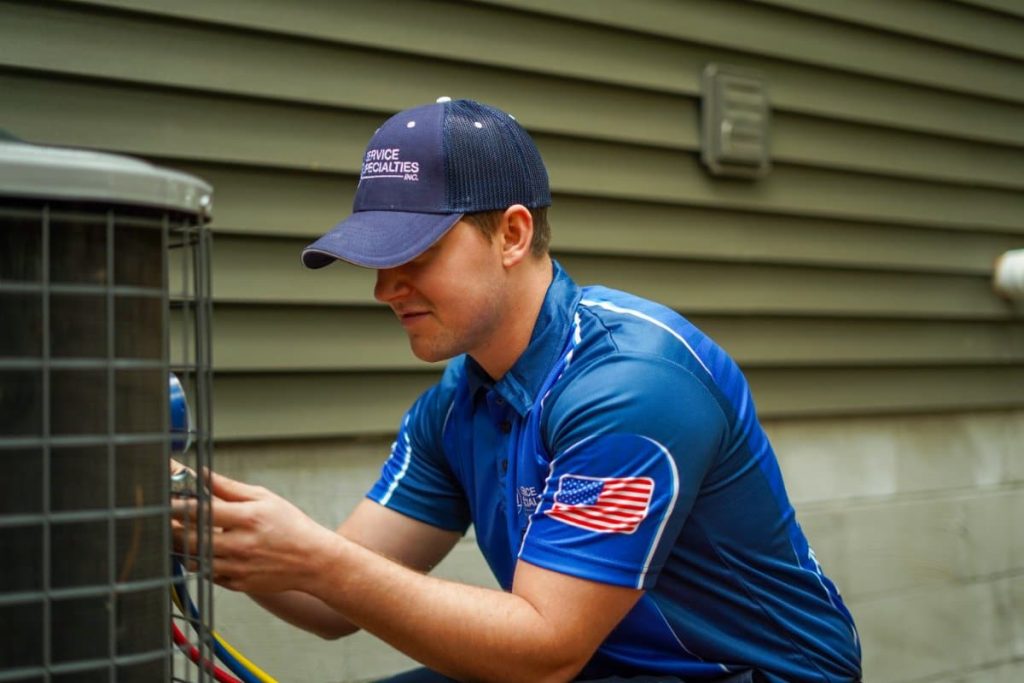
From air purifiers and humidifiers to advanced filtration systems, we have the experience and industry expertise to improve the air you and your family breathe every day. Don’t let indoor pollutants get in the way of your comfort. Get in touch with us now, and let’s create a cleaner, healthier home environment for you.
Why indoor air quality matters
Indoor air quality is one of the most overlooked factors affecting the health, comfort, and efficiency of your home. While outdoor pollution gets a lot of attention, the air inside your home can be two to five times more polluted than the air outside. Because most people spend the majority of their day indoors, the quality of that air has a direct impact on overall wellness and daily life.
- Health Impacts: Poor indoor air quality can cause a range of short- and long-term health effects. Common symptoms include irritation of the eyes, nose, and throat, persistent headaches, fatigue, or dizziness. For people with asthma or allergies, airborne particles and allergens can trigger flare-ups and worsen symptoms. Over time, long-term exposure to indoor pollutants may contribute to more serious respiratory or even cardiovascular problems.
- Vulnerable Populations: Children, seniors, and people with respiratory or heart conditions are more sensitive to poor indoor air quality. Their immune systems or respiratory systems are often less resilient, which means pollutants can affect them more quickly and more severely than healthy adults.
- Productivity & Comfort: Even when health effects aren’t obvious, poor air quality can lead to drowsiness, lack of focus, and general discomfort. Many homeowners don’t realize that feeling tired or sluggish indoors can be directly related to the air they’re breathing.
- Hidden Costs: Poor indoor air quality doesn’t just affect your body; it can also impact your home. Dust, debris, and moisture buildup put additional strain on your HVAC system, causing it to work harder and wear out sooner. Excess humidity or mold can also damage walls, floors, and furnishings, leading to expensive repairs and increased cleaning needs over time.
By fixing indoor air quality proactively, you can protect your family’s health, improve day-to-day comfort, and extend the life of your home systems.
Common Indoor Air Pollutants and Sources
The air inside your home might seem clean, but it’s often a complex mixture of invisible pollutants that come from a variety of sources. Understanding what these pollutants are, and where they come from, is the first step toward improving your indoor air quality.
- Particulate matter, also known as PM2.5 and PM10, includes tiny particles such as dust, smoke, pollen, and pet dander. These particles are small enough to be inhaled deep into the lungs, where they can cause inflammation, aggravate respiratory conditions, and even contribute to long-term health problems if exposure is ongoing.
- Biological contaminants include mold spores, bacteria, viruses, and dust mites. These microscopic organisms can grow quickly in areas with poor ventilation or high humidity. Once airborne, they trigger allergic reactions, asthma symptoms, and sometimes infections, especially in sensitive individuals.
- Volatile Organic Compounds (VOCs) are gases emitted from certain solids or liquids. Common household sources include paint, cleaning products, new furniture, adhesives, and flooring materials. VOCs can cause immediate symptoms like headaches and eye irritation, and long-term exposure may lead to more serious health effects.
- Combustion byproducts are produced when fuels like gas, wood, or oil are burned. Appliances such as stoves, fireplaces, and heating systems can emit carbon monoxide and nitrogen dioxide if not properly ventilated. These gases are harmful, even deadly, in high concentrations, and should always be monitored.
- Excess moisture is another major contributor to poor air quality. Water leaks, damp basements, or even a lack of ventilation in bathrooms can create a humid environment where mold thrives. This leads to musty odors, potential structural damage, and a continuous release of airborne spores.
- Chemical gases, such as radon, ozone, and formaldehyde, can also be present indoors. These may enter through soil, building materials, or off-gassing from various home products. Long-term exposure to these gases is linked to serious health risks.
Without proper ventilation, these pollutants can build up over time, creating a hazardous indoor environment. That’s why an effective indoor air quality strategy should always include source control, ventilation, and purification to ensure your home’s air stays clean and
How Indoor Air Quality Is Measured and Assessed
Before implementing any indoor air quality solution, the most important step is a proper assessment of the current environment. Without knowing what’s in the air, where it’s coming from, and how it moves throughout your space, it’s nearly impossible to design an effective, long-term solution. That’s why a thorough indoor air quality audit is the foundation of everything we do at Service Specialties Inc..
Step 1: Initial Inspection and Data Gathering
The process begins with an initial walkthrough of the home or building. During this phase, our technicians visually inspect the space, looking for signs of mold, moisture intrusion, ventilation issues, or potential sources of pollution. We also gather information directly from the occupants, noting any symptoms they’ve been experiencing, such as headaches, allergy flare-ups, or persistent fatigue. These details often provide valuable clues about underlying air quality issues.
Step 2: Instrumentation and Testing
Next comes the instrumentation and testing phase. Using specialized equipment, we measure fine particulate levels like PM2.5, monitor temperature and humidity, and test for volatile organic compounds (VOCs) such as formaldehyde. If the home has combustion appliances, we also check for dangerous gases like carbon monoxide and, in some cases, radon. Equally important is evaluating airflow and ventilation, identifying where fresh air enters, how it moves, and where it might be getting trapped.
Step 3: Analysis and Diagnosis
Once all data is collected, we move into the analysis and diagnosis stage. Here, we identify pollutant sources, track how contaminants are likely spreading through the space, and prioritize the areas that need the most attention, whether that’s a damp basement, a poorly ventilated attic, or a high-traffic living space.
Step 4: Recommendation and Planning
From there, we create a custom action plan. This plan is not based on guesswork or generic assumptions. Instead, it’s tailored to your specific environment, needs, and budget. Solutions are staged by cost, impact, and complexity, with clear expectations for improvement. This data-driven approach ensures that every system we recommend is both effective and efficient, never a one-size-fits-all fix.

Need Service Today?
Our certified technicians are ready to help with your plumbing, heating, and cooling needs. Schedule your appointment and join our long list of satisfied clients today!
Indoor Air Quality Services
At Service Specialties Inc., we believe that better air starts with better insight, and even better solutions. Our indoor air quality services go beyond simple upgrades. They are grounded in diagnostic precision, industry-leading practices, and high-quality equipment that integrates seamlessly with your home’s HVAC system. Whether you’re managing seasonal allergies, tackling excess humidity, or just trying to breathe easier, our tailored solutions are designed to meet the needs of families across Chantilly and the greater Northern Virginia region.
Air Filtration Systems
High-efficiency filters are your first line of defense against airborne pollutants.
- Professional-grade MERV 11–13 filter upgrades tailored to your system
- Captures dust, pollen, pet dander, and fine particles
- Routine AC filter replacement and ongoing maintenance
- Duct inspection and sealing to prevent air leakage
- Ideal as the foundation of a multi-layered IAQ solution
Air Scrubber Plus
This advanced system goes beyond filtration to actively reduce airborne and surface contaminants.
- Uses oxidation technology to break down VOCs, odors, and smoke
- Effective against bacteria, viruses, and allergens
- Operates 24/7 throughout the entire home
- Excellent for homes with pets, strong odors, or chemical sensitivity
UV Air Sanitizer
Ultraviolet germicidal light targets biological pollutants at the source.
- Installed within ductwork or near HVAC coils
- Inactivates mold spores, bacteria, and viruses
- Prevents microbial growth inside HVAC components
- Safe, ozone-free operation with professional calibration
Dehumidifier Installation
Control excess moisture and prevent mold and musty odors.
- Whole-home dehumidifiers integrated with HVAC
- Reduces humidity levels in high-moisture zones (basements, bathrooms)
- Helps limit allergens like mold and dust mites
- Quiet, efficient operation tailored to home size and layout
Humidifier Installation
Restore moisture during dry months for a healthier indoor environment.
- Whole-home humidifiers for consistent humidity balance
- Prevents dry skin, respiratory discomfort, and static electricity
- Automated humidity control, integrated with HVAC system
- Requires minimal maintenance and outperforms portable units

Why a Multi-Layered Approach Works Best
Improving indoor air quality isn’t as simple as installing one device or upgrading one filter. Because indoor environments are affected by many different pollutants, no single solution can fix all issues effectively. That’s why the most successful and sustainable strategies use a multi-layered approach, combining filtration, ventilation, source control, humidity management, and real-time monitoring to keep the air healthy and balanced.
This layered strategy isn’t just best practice, it’s backed by leading industry standards and guidelines, including recommendations from the Environmental Protection Agency (EPA) and the American Society of Heating, Refrigerating and Air-Conditioning Engineers (ASHRAE). Let’s take a closer look at what each layer involves and why it matters.
Source Control
The first and most effective step in managing indoor air quality is reducing the pollutants being introduced in the first place. This means identifying and eliminating pollutant sources wherever possible. That could include avoiding VOC-emitting materials like certain paints or flooring, repairing leaks that lead to mold growth, or servicing combustion appliances that might emit harmful gases like carbon monoxide or nitrogen dioxide. By minimizing what’s introduced into the air, every other system down the line works more efficiently.
Ventilation and Dilution
Once source control is in place, proper ventilation becomes essential. Bringing in clean, fresh air from the outside and exhausting stale, polluted air from inside helps dilute contaminants and maintain balanced indoor conditions. Homes that are tightly sealed for energy efficiency often suffer from poor ventilation, which traps pollutants indoors. Mechanical ventilation systems can restore proper air exchange, improving both air quality and comfort.
Filtration and Air Cleaning
Filtration removes particles from the air, while active cleaning technologies neutralize what filtration may miss. High-efficiency filters, such as MERV 11 or MERV 13, can capture pollen, pet dander, and fine particulate matter. However, even a moderately efficient filter can become highly effective when combined with technologies like UV air sanitizers or air scrubbers. These systems actively reduce bacteria, viruses, VOCs, and odors that may pass through physical filters.
Humidity Control
Too much or too little humidity can quickly compromise indoor air quality. High humidity creates the perfect environment for mold, mildew, and dust mites to thrive. On the other hand, dry air can irritate the skin, eyes, throat, and respiratory tract. Maintaining indoor humidity between 40% and 60% is ideal. This is where whole-house humidifiers and dehumidifiers come into play, automatically adjusting moisture levels to meet seasonal and environmental demands.
Monitoring and Feedback
No indoor air quality system is truly complete without a way to measure its performance. Ongoing monitoring helps ensure that your systems are working as intended. By tracking pollutant levels, humidity, temperature, and airflow, homeowners can receive real-time feedback and make data-informed adjustments. This helps catch issues early and gives peace of mind that the air you’re breathing remains consistently clean and safe.
The Power of Combination
Relying on any single technology, like a standalone air purifier or a high-grade filter, is rarely sufficient. In fact, studies have shown that using a moderately rated filter in combination with a UV air sanitizer can outperform a top-tier filter used alone. That’s because while the filter captures many particles, the UV component neutralizes microorganisms that might slip through. Together, these systems can achieve more than 99% reductions in airborne microbial contaminants under controlled test conditions.
Ultimately, indoor air quality is dynamic. As seasons change, as homes age, and as daily routines shift, new challenges arise. A multi-layered system doesn’t just clean the air, it adapts with your needs and keeps your home healthy for the long haul.
Regional Considerations for Northern Virginia / Chantilly Area
Indoor air quality (IAQ) challenges are often regional, shaped by local climate, housing styles, and urban development. In the Chantilly and Northern Virginia area, Service Specialties Inc. takes a tailored approach to IAQ solutions by accounting for several region-specific factors that affect the air you breathe inside your home.
- Seasonal Humidity Swings:
Northern Virginia experiences high humidity in the summer and very dry indoor air during the winter. Without proper control, this can lead to mold growth in warmer months and dry skin, irritated sinuses, or cracking wood during colder ones. Our indoor air systems often include smart humidifiers and dehumidifiers that balance indoor moisture levels based on the season, improving both comfort and long-term structural integrity. - Allergen Seasons:
Spring and fall are notorious for allergy flare-ups in this region. The area sees a spike in airborne allergens like pollen, mold spores, and fine particulate matter. Our advanced filtration systems, HEPA filters, and whole-home air purifiers help remove these irritants before they circulate through your home’s air ducts. - Urban & Suburban Outdoor Pollution:
Even in suburban communities like Chantilly, pollution from nearby highways and commercial areas can enter your home. Infiltrating outdoor air often carries ozone, smog particles, or vehicle exhaust, all of which require strategic filtration and smart ventilation planning to eliminate effectively. - Home Construction Variability:
Northern Virginia homes vary widely in age and construction style. Older homes may have leaky ductwork, while newer builds can be overly sealed, preventing natural ventilation. We design IAQ systems that adapt to each home’s structure, ensuring optimal airflow and pollutant control. - Seamless HVAC Integration:
Because Service Specialties Inc. already handles HVAC, furnace, and thermostat systems, we can seamlessly integrate indoor air quality upgrades into your current system, saving you time, space, and cost.
Signs of Poor Indoor Air Quality
Indoor air quality (IAQ) plays a significant role in your home’s comfort and your overall health. Poor air quality often builds up silently, but there are several clear warning signs you shouldn’t ignore. If you’ve experienced any of the following symptoms or observations, it could be time to take a closer look at what’s circulating through your vents.
- Persistent Dust: Even after a thorough cleaning, do you notice dust quickly settling on furniture or surfaces? This may indicate your HVAC system isn’t effectively filtering air.
- Musty or Moldy Smell: A strong, damp odor, especially in basements or bathrooms, may point to hidden mold growth. Visible mold spots or dark patches on walls or ceilings confirm the presence of harmful spores.
- Stuffy or Heavy Air: Rooms that feel stifling or hard to breathe in, especially when windows are closed, suggest poor airflow and ventilation issues.
- Allergy Flare-Ups: If family members experience sneezing, coughing, or watery eyes indoors, but feel better outside, it could be due to indoor allergens, dust mites, or mold spores.
- Frequent Headaches or Fatigue: Spending time inside your home should be refreshing. But if you’re feeling tired, dizzy, or develop frequent headaches indoors, air quality may be to blame.
- Visible Condensation: Moisture build-up on windows, damp walls, or ceilings, particularly in bathrooms or basements, signals high humidity or inadequate ventilation.
- Respiratory Irritation: Dry throat, itchy eyes, or unexplained coughing may be caused by airborne irritants like VOCs (volatile organic compounds), dust, or mold.
- HVAC Struggling: If your system seems to run constantly or has uneven airflow, it may be circulating polluted or humid air inefficiently.
If any combination of these signs sounds familiar, consider scheduling a professional indoor air quality assessment. It’s a small step that could have a big impact on your health and comfort.
You deserve to breathe fresh, clean air every day, so don’t let allergens, dust, or poor ventilation impact your health and comfort. Schedule a consultation with us at Service Specialties Inc. today so we can take the first step toward a cleaner and healthier home.
Indoor Air Quality Solutions
Frequently Asked Questions
Breathe Easier with Service Specialties Inc.
Clean, healthy indoor air isn’t a luxury, it’s essential for your family’s comfort, health, and peace of mind. Whether you’re struggling with allergies, battling excess humidity, or simply want to improve the air you breathe every day, Service Specialties Inc. has the expertise and solutions to help.
Take the first step toward a healthier home today. Contact Service Specialties Inc. to schedule your indoor air quality assessment and discover how our tailored solutions can transform your indoor environment.
Book Your Service
What Our Customers Are Saying
Take the First Step Toward a More Comfortable Home
You deserve a home that’s comfortable and works efficiently all year long. When you schedule an appointment with us at Service Specialties Inc. today, we’ll help get things back on track so you can focus on the things that really matter.