Proudly Serving Northern Virginia





Rated 4.9 on Google
Heat Pump Repair vs. Replacement: Making the Right Call for Your Northern Virginia Home
or Call 703-991-0909
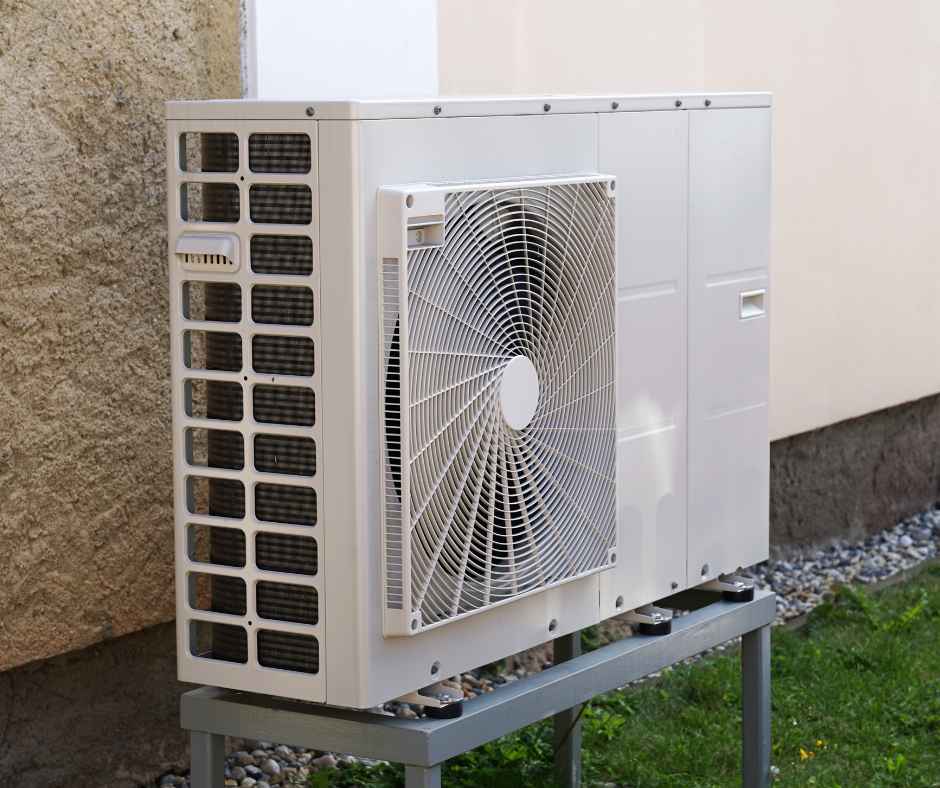
A heat pump that needs service does not automatically need to be replaced. If the problem is isolated and the rest of the system is still reliable, efficient, and properly sized, repair may be the smarter choice. Replacement becomes more practical when breakdowns are frequent, comfort is getting worse, energy use keeps rising, or the system no longer delivers dependable heating and cooling.
In this guide, you will learn how to compare heat pump repair and replacement based on system condition, repair history, energy use, comfort, and long-term reliability. The goal is to help Northern Virginia homeowners decide whether another repair will restore dependable performance or simply delay an inevitable replacement.
Should You Repair or Replace Your Heat Pump?
The best answer depends on more than the current repair cost.
A heat pump is often worth repairing when:
- The problem involves one component
- The system has otherwise been reliable
- Heating and cooling performance remain strong
- Repair costs are reasonable
- Parts are readily available
- The equipment is still appropriate for the home
Replacement deserves stronger consideration when:
- Repairs are becoming frequent
- Different components keep failing
- Comfort has declined
- Energy use is increasing
- The system struggles during normal weather
- Major components are deteriorating
- Reliability after another repair is questionable
The key question is not simply whether the heat pump can be repaired. It is whether repairing it still makes financial and practical sense.
When Is Heat Pump Repair Still the Better Choice?
Many heat pump problems can be corrected without replacing the entire system.
Depending on the diagnosis, repair may involve:
- Electrical components
- Controls
- Reversing valves
- Refrigerant-related issues
- Blower components
- Defrost controls
- Airflow problems
- Thermostat issues
A single component failure on an otherwise healthy heat pump may be a reasonable repair.
For example, if the system has been dependable, still provides good comfort, and needs one replaceable electrical or control component, replacement may be unnecessary.
The condition of the rest of the equipment matters more than the fact that one part failed.
A repair should ideally restore normal performance and give you confidence that the system can continue serving the home reliably.
What Are the Signs Your Heat Pump May Need Replacement?
Replacement becomes more worth considering when several signs of declining performance appear together.
Watch for:
- Frequent service calls
- Rising energy use
- Uneven heating or cooling
- Difficulty reaching the thermostat setting
- Persistent ice buildup
- Repeated refrigerant-related problems
- Increasing noise
- Major component failures
- Declining comfort
- Repairs that no longer provide lasting improvement
One symptom does not always justify replacement.
A dirty filter or failed control can create serious comfort problems while still being relatively straightforward to fix. A system with repeated failures, weak performance, and rising operating costs presents a different situation.
How Much Should Heat Pump Age Affect the Decision?
Age matters, but it should not determine the decision by itself.
Two heat pumps of the same age can be in very different condition depending on maintenance, installation quality, usage, repairs, and operating conditions.
When evaluating an older system, consider:
- Repair history
- Current system condition
- Heating performance
- Cooling performance
- Energy use
- Parts availability
- Maintenance history
- Overall reliability
A well-maintained older heat pump that still performs consistently may be worth repairing.
An aging system that needs frequent service, struggles with comfort, and costs more to operate may be a stronger replacement candidate.
Age should provide context, not automatically trigger a new installation.
When Do Repeated Heat Pump Repairs Stop Making Sense?
One repair can be perfectly reasonable. A pattern of repairs changes the calculation.
Homeowners should ask:
- How many service calls has the system needed recently?
- Are the same problems returning?
- Are different components beginning to fail?
- Has comfort declined despite repairs?
- Are energy bills increasing?
- Is the system becoming less predictable?
A lower-cost repair may look attractive in isolation, but repeated service costs can add up quickly.
Reliability matters just as much as the repair estimate.
If the system continues developing new problems, another repair may only buy a short period of operation before the next failure.
That is when replacement may begin to offer better long-term value.
Why Are Your Energy Bills Rising Even After Repairs?
Higher utility bills can signal declining heat pump performance, but they don’t automatically mean the equipment is failing.
Energy costs can also rise because of:
- Colder winter weather
- Hotter summer conditions
- Electricity-rate changes
- Thermostat adjustments
- Poor insulation
- Duct leakage
- Increased household use
The concern grows when energy use rises while comfort declines.
If the heat pump runs longer, struggles to maintain temperature, and costs more to operate in similar weather conditions, the system’s performance deserves attention.
A repair may restore efficiency if the problem involves airflow, controls, or another correctable issue.
If the system continues consuming more energy despite repeated repairs, replacement may be worth comparing.
What Does Uneven Heating or Cooling Tell You About the System?
Uneven comfort doesn’t automatically mean the heat pump needs replacement.
Temperature differences between rooms may come from:
- Dirty filters
- Airflow restrictions
- Blower problems
- Duct leakage
- Poor duct balance
- Refrigerant-related performance issues
- Thermostat problems
- Incorrect equipment sizing
- Mechanical deterioration
Before replacing the system, evaluate these other causes. A new heat pump will not automatically correct damaged ductwork or poor airflow. If the equipment is functioning properly but conditioned air isn’t reaching rooms evenly, the solution may involve ducts, airflow, or distribution rather than a full system replacement.
That is why a complete HVAC evaluation is more useful than focusing on the outdoor unit alone.
Does Ice on a Heat Pump Mean It Is Failing?
Not necessarily. Some frost can develop on the outdoor coil during normal heating operation. Heat pumps use a defrost cycle to remove that buildup. Persistent or heavy ice is different.
Possible causes include:
- Defrost-control problems
- Restricted airflow
- Refrigerant-related issues
- Outdoor coil problems
- Mechanical faults
If ice builds up repeatedly and doesn’t clear normally, have a technician inspect the system.
Do not chip ice from the outdoor coil or use sharp tools to remove it. That can damage the equipment.
The key distinction is between normal frost that the system manages on its own and ice that continues accumulating while heating performance declines.
How Should You Compare Repair Cost With Replacement Value?
No universal dollar amount automatically makes replacement the right choice.
Instead, compare the current repair with what you are likely to receive afterward.
Consider:
- Current repair estimate
- Recent repair spending
- System age
- Remaining warranty
- Current efficiency
- Expected reliability after repair
- Replacement cost
- Energy use
- Comfort performance
- Parts availability
A relatively inexpensive repair can make excellent sense when the rest of the system is healthy.
A more substantial repair on a system that has already needed several service calls may provide much less value.
The question is not simply, “Which option costs less today?” It is, “Which option is likely to provide better comfort and reliability over the next several years?”
What Can a Newer Heat Pump Improve?
A replacement heat pump may provide benefits beyond simply eliminating a repair problem.
Depending on the equipment and installation, homeowners may gain:
- Improved energy efficiency
- More consistent temperatures
- Quieter operation
- Variable or inverter-driven performance
- Updated thermostat controls
- Better year-round comfort
- Reduced repair frequency
- Greater reliability
Modern variable-capacity equipment can adjust output as heating and cooling demand changes rather than operating only at full power.
That can help create steadier indoor temperatures and reduce unnecessary cycling.
However, new equipment only performs well when it is properly sized and installed. Replacing an old system with an oversized or poorly configured heat pump can create a different set of comfort problems.
What Should an HVAC Technician Check Before Recommending Replacement?
A replacement recommendation should follow a complete diagnosis.
A technician may evaluate:
- Current system failure
- Equipment condition
- Repair history
- Refrigerant-system performance
- Reversing valve
- Electrical controls
- Airflow
- Air handler
- Ductwork
- Heating performance
- Cooling performance
- Overall reliability
The goal is to determine whether the current problem is isolated or part of a broader decline.
If one repair is likely to restore dependable operation, keeping the existing system may be reasonable. If major components are deteriorating and the heat pump has become increasingly unreliable, replacement may provide better long-term value.
The diagnosis should explain why one option makes more sense than the other.
Make the Decision Based on Reliability, Not One Bad Day
A heat pump breakdown can be frustrating, but one repairable problem does not automatically mean the system has reached the end of its useful life. Repair may still be the smarter choice when the equipment remains reliable, appropriately sized, and in good overall condition.
Replacement becomes more attractive when repairs are frequent, energy use keeps rising, comfort continues declining, or the system no longer delivers dependable year-round performance. The strongest decision comes from looking at the complete picture, including repair history, efficiency, condition, and expected reliability after the next repair.
Service Specialties, Inc. helps Northern Virginia homeowners diagnose heat pump problems, complete repairs when they still make sense, and install replacement equipment when an aging system is no longer worth maintaining. If you are weighing another heat pump repair against replacement, contact us today to schedule a professional HVAC evaluation.


Take the First Step Toward a More Comfortable Home
You deserve a home that’s comfortable and works efficiently all year long. When you schedule an appointment with us at Service Specialties today, we’ll help get things back on track so you can focus on the things that really matter.or Call 703-991-0909