Proudly Serving Northern Virginia





Rated 4.9 on Google
Recommended Thermostat Settings For Winter And During The Year
or Call 703-991-0909
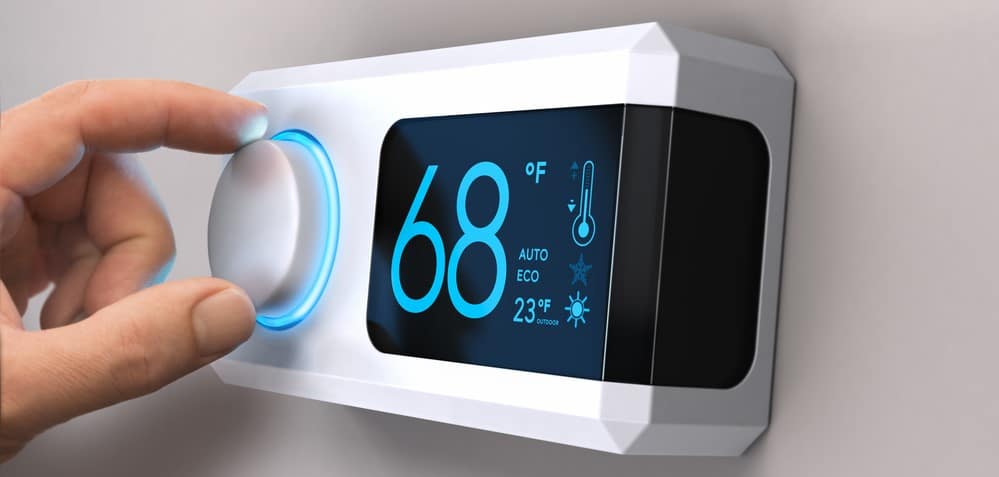
The best thermostat setting for winter is around 68°F when you’re home and awake, while 75°F to 78°F is a practical starting point for summer. In winter, lowering your thermostat while you sleep or are away can reduce heating costs. In summer, raising the temperature when you’re away can reduce cooling expenses. The ideal settings depend on your comfort preferences, HVAC system, and household needs.
Finding the right thermostat temperature can help you stay comfortable while managing your home’s heating and cooling costs. However, the best setting isn’t necessarily the same for every household or every season.
During winter, you may prefer a warmer indoor temperature while relaxing at home. During summer, you might want to keep your home cooler without making your air conditioner work harder than necessary.
Your heating and cooling equipment also matters. For example, homes with heat pumps may benefit from different thermostat schedules than homes with conventional furnaces.
At Service Specialties Inc. (SSI), we help homeowners throughout Northern Virginia maintain comfortable, energy-efficient homes. Here’s what you should know about recommended thermostat settings throughout the year.
What Are the Recommended Thermostat Settings Throughout the Year?
Recommended thermostat settings vary by season, occupancy, and personal comfort. During winter, 68°F is a common energy-saving starting point when you’re home. During summer, 75°F to 78°F may provide a reasonable balance between comfort and cooling costs.
Adjusting your thermostat when you’re sleeping or away can also help reduce energy consumption.
The following chart provides general starting points for homeowners.
|
Season or Situation |
Suggested Thermostat Setting |
Purpose |
|
Winter, home and awake |
68°F to 72°F |
Balance comfort and heating costs |
|
Winter, sleeping |
62°F to 68°F |
Reduce heating demand when appropriate |
|
Winter, away |
Approximately 58°F to 65°F |
Reduce energy use while maintaining a safe indoor temperature |
|
Summer, home and awake |
75°F to 78°F |
Balance cooling costs and comfort |
|
Summer, away |
Approximately 80°F to 85°F |
Reduce cooling demand while unoccupied |
|
Fall and spring |
Adjust based on outdoor temperatures |
Maintain comfort without unnecessary heating or cooling |
These temperatures are general guidelines, not universal requirements.
Households with infants, older adults, medical needs, pets, or temperature-sensitive belongings may need different settings. Indoor humidity, home insulation, and HVAC equipment also affect which temperatures are appropriate.
If you have a heat pump, large temperature setbacks may not always be the most efficient approach.
What Is the Most Energy-Efficient Thermostat Setting for Winter?
For many homes with conventional heating systems, setting the thermostat around 68°F while you’re home and awake is a practical starting point for winter energy savings.
According to the U.S. Department of Energy, lowering your thermostat for extended periods can reduce heating costs.
However, the ideal winter temperature depends on your comfort and how your heating system operates.
Some homeowners prefer temperatures between 70°F and 72°F during the day. While these higher settings may provide additional comfort, they generally require more heating energy than maintaining a lower temperature under similar conditions.
The goal is to find a temperature that keeps your household comfortable without using more energy than necessary.
Is 68 Degrees a Good Thermostat Setting for Winter?
Yes. A thermostat setting of 68°F is a common energy-saving recommendation during winter. For many households, this temperature balances comfort and heating costs.
However, 68°F may feel too cool for some people, particularly those who are less active or have specific health needs. If necessary, increase the temperature gradually until you find a comfortable setting.
Is 72 Degrees Too High for Heat in Winter?
No. Setting your thermostat to 72°F isn’t necessarily too high in winter. Some homeowners prefer this temperature because it keeps the indoor environment warmer.
However, maintaining 72°F generally requires more heating energy than maintaining 68°F under otherwise similar conditions. If you’re trying to reduce heating costs, start at a lower, comfortable temperature and adjust as needed.
What Temperature Should You Set Your Thermostat at Night in Winter?
For many households, setting your thermostat between 62°F and 68°F at night can reduce heating demand while keeping a comfortable sleeping environment.
Lowering the temperature while sleeping may reduce energy consumption because your heating system doesn’t need to maintain the same indoor temperature all night.
However, the best sleeping temperature depends on your comfort preferences, bedding, insulation, and heating equipment.
A practical approach is to gradually lower your thermostat and find what feels comfortable.
For example, if you normally keep your home at 70°F during the day, you might try a nighttime setting of 66°F.
If that feels comfortable, you can continue using that schedule.
Avoid lowering your thermostat to a temperature that creates unsafe indoor conditions or increases the risk of frozen pipes.
Does Lowering Your Thermostat at Night Save Money?
Yes, lowering your thermostat overnight can reduce heating costs in many homes with conventional heating systems.
The U.S. Department of Energy explains that homeowners may save energy by reducing thermostat settings for extended periods.
According to DOE guidance, homeowners can potentially save up to 10% annually on heating and cooling by adjusting their thermostats 7°F to 10°F from their normal settings for eight hours per day.
Actual savings vary based on climate, insulation, heating equipment, and thermostat schedules.
Homes with heat pumps may require a different approach because large temperature increases can sometimes activate auxiliary heating.
What Temperature Should You Set Your Thermostat When You’re Away in Winter?
When you’re away in winter, lowering your thermostat to about 58°F to 65°F can reduce heating costs, as long as the temperature suits your home and the weather.
You generally do not need to maintain the same indoor temperature when nobody is home.
However, turning your heating system off completely during freezing weather can create problems.
Your home still needs enough heat to protect plumbing and keep indoor conditions safe.
The appropriate temperature depends on several factors:
- Outdoor temperatures
- Home insulation
- Plumbing location
- Length of time away
- Heating system type
- Household needs
For example, a well-insulated home may retain heat longer than an older home with significant air leaks.
If you’re leaving home for an extended period during freezing weather, consult an HVAC professional about a safe thermostat setting.
Homeowner Tip: If your home has a heat pump, check whether your thermostat is designed to manage temperature setbacks without unnecessarily activating auxiliary heat.
Should You Lower Your Thermostat at Night if You Have a Heat Pump?
If your home uses a heat pump, maintaining a relatively consistent thermostat temperature may be more efficient than making large adjustments throughout the day.
Heat pumps transfer heat rather than generating it through conventional combustion or electric resistance heating.
Some heat pump systems use electric auxiliary heat when outdoor temperatures are especially cold or when the thermostat calls for a significant temperature increase.
For example, lowering the thermostat substantially overnight and raising it several degrees in the morning may cause certain systems to activate auxiliary heating.
This can reduce or eliminate the expected energy savings. However, modern heat pumps and compatible smart thermostats may manage temperature setbacks more efficiently.
What Is the Best Thermostat Setting for a Heat Pump in Winter?
For many heat pump systems, the best approach is to maintain a comfortable, relatively consistent temperature.
Consider these recommendations:
- Choose a comfortable indoor temperature and avoid unnecessary adjustments.
- Use a thermostat specifically designed for heat pump operation.
- Avoid large temperature setbacks unless your equipment supports them efficiently.
- Follow the manufacturer’s thermostat programming recommendations.
- Have your heat pump inspected if auxiliary heat runs excessively or the system struggles to maintain the desired temperature.
An HVAC professional can help you find the most efficient settings for your equipment.
What Is the Best Thermostat Setting for Summer?
In summer, setting your thermostat between 75°F and 78°F while you’re home is a practical starting point to balance comfort and cooling costs.
Higher thermostat settings generally reduce how much cooling your air conditioner needs to provide.
However, the best temperature depends on your comfort preferences, indoor humidity, home insulation, and household needs. If 78°F feels too warm, try gradually lowering the temperature until you find a comfortable setting. For example, you might start at 78°F and adjust to 76°F if needed.
Avoid setting the thermostat significantly colder than your desired temperature to cool your home faster. Most conventional air conditioning systems don’t cool faster just because you set a much lower thermostat.
What Temperature Should You Set Your Thermostat When You’re Away in Summer?
Raising your thermostat to about 80°F to 85°F while you’re away may reduce cooling costs, depending on your home’s humidity and cooling needs.
When nobody is home, your air conditioner may not need to maintain the same temperature you prefer while relaxing indoors.
However, letting indoor temperatures and humidity rise too much can create problems.
High humidity can cause discomfort, condensation, and moisture-related issues.
Homes with pets, sensitive belongings, or occupants returning during the day may also require lower settings.
A programmable or smart thermostat can automatically adjust temperatures based on your schedule.
What Are the Best Thermostat Settings for Fall and Spring?
During fall and spring, the best thermostat settings depend on outdoor temperatures and whether your home needs heating or cooling.
Milder weather may let you reduce HVAC use while keeping indoor conditions comfortable. For example, during cooler fall weather, setting your thermostat to around 68°F when you need heating can help manage energy use.
During warmer spring afternoons, you may prefer a cooling setting closer to 75°F to 78°F.
Because outdoor temperatures can change significantly throughout the day, you may need to adjust seasonal thermostat schedules occasionally.
Consider these tips:
- Use comfortable heating and cooling settings rather than constantly changing the thermostat.
- Take advantage of mild outdoor temperatures when appropriate.
- Keep windows closed when outdoor humidity or air quality is poor.
- Replace HVAC air filters according to manufacturer recommendations.
- Schedule seasonal HVAC maintenance before periods of heavy heating or cooling demand.
Regular maintenance helps your heating and cooling system operate as intended year-round.
Can a Programmable or Smart Thermostat Help Lower Energy Bills?
Yes, a properly programmed thermostat can help reduce heating and cooling costs by automatically adjusting temperatures based on your household’s schedule.
Programmable thermostats let you set different temperatures for specific times of day.
For example, you can create a schedule that lowers the heating temperature while you’re away and returns it to your preferred setting before you arrive home.
Smart thermostats may offer additional features, including:
- Remote temperature control
- Automatic scheduling
- Energy usage reports
- Occupancy-based adjustments
- Maintenance reminders
- Integration with compatible home automation systems
Some smart thermostats can also learn household routines and adjust temperatures automatically. However, not every thermostat is compatible with every HVAC system. Heat pumps, multi-stage heating systems, and systems with auxiliary heat may require specific thermostat features.
Professional thermostat installation can help ensure the device is compatible with your equipment and configured correctly.
How Can You Save Energy Without Sacrificing Indoor Comfort?
Efficient thermostat settings can reduce energy consumption, but your home’s insulation, airflow, and HVAC maintenance also affect heating and cooling costs.
A few additional improvements can help your system operate efficiently.
Maintain Your HVAC System
Routine HVAC maintenance helps identify problems that can affect heating and cooling performance.
Dirty components, restricted airflow, and worn parts may make your equipment work harder than it needs to.
Replace Air Filters Regularly
Clogged air filters can restrict airflow and reduce HVAC performance.
Check your filters regularly and replace them according to the manufacturer’s recommendations.
Seal Air Leaks
Air leaks around windows, doors, and other openings can allow conditioned air to escape.
Proper air sealing can help your home maintain more consistent indoor temperatures.
Improve Insulation
Adequate insulation helps reduce unwanted heat transfer.
This makes it easier for your HVAC system to maintain your preferred thermostat setting.
Use a Consistent Thermostat Schedule
Frequent, unnecessary thermostat adjustments can make it harder to manage comfort and energy consumption.
A consistent schedule that matches your household’s routine is often easier to maintain.
Need Help With Your Thermostat or HVAC System? Contact Service Specialties Inc.
The best thermostat settings depend on the season, your comfort preferences, and your home’s heating and cooling system. For winter, 68°F is a practical, energy-saving starting point, while 75°F to 78°F may offer a reasonable balance of comfort and cooling costs in summer. Adjusting your thermostat schedule can help manage energy consumption, but proper HVAC operation is just as important.
At Service Specialties Inc. (SSI), we help homeowners throughout Northern Virginia keep their heating and cooling systems running reliably. Whether you need thermostat assistance, heat pump service, furnace maintenance, or professional HVAC recommendations, our experienced technicians can help you find solutions that support comfort and efficiency.
Contact Service Specialties Inc. today to schedule HVAC service or learn more about improving your home’s heating and cooling performance.


Take the First Step Toward a More Comfortable Home
You deserve a home that’s comfortable and works efficiently all year long. When you schedule an appointment with us at Service Specialties today, we’ll help get things back on track so you can focus on the things that really matter.or Call 703-991-0909