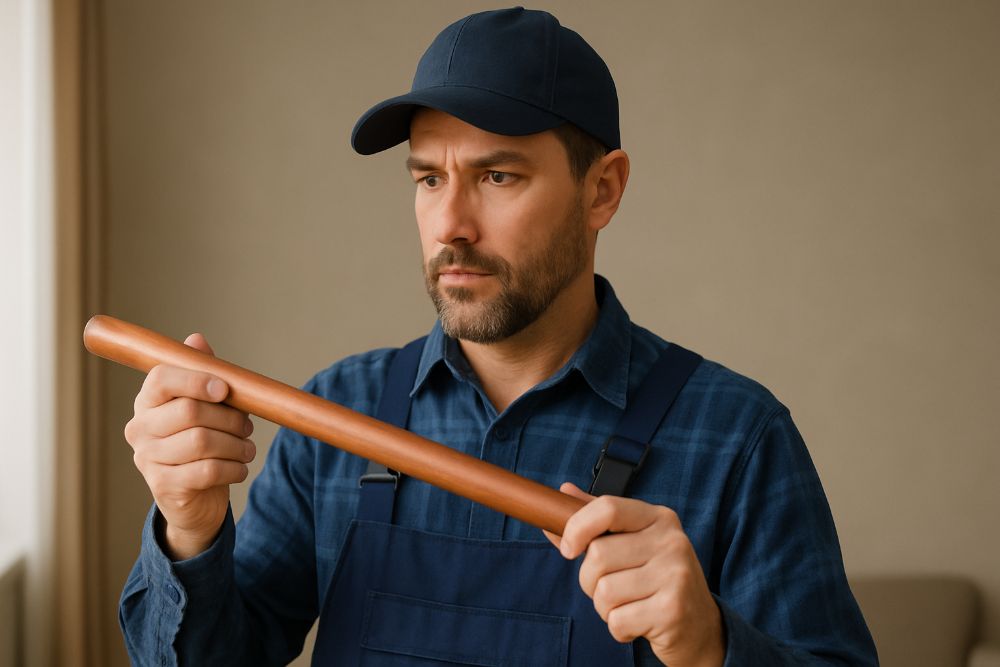

When it comes to home plumbing, most people don’t think twice about what’s behind the walls until something goes wrong. But the types of plumbing pipes in your home can impact water quality and long-term system performance.
Whether you’re dealing with low water pressure, recurring leaks, or planning a renovation, understanding the different types of plumbing pipes can help you make more cost-effective decisions.
Whether you’re buying a new home, upgrading outdated infrastructure, or tackling emergency repairs, it’s important to ensure your plumbing is built to last.
Licensed plumbers are trained to inspect, repair, and replace all major pipe materials using industry-best practices and code-compliant methods. At Service Specialities, we help homeowners and property managers in Chantilly, VA and surrounding areas identify which types of pipes for plumbing are currently installed, diagnose hidden issues, and recommend durable solutions tailored to your system’s needs.
Types of Plumbing Pipes
The material used in your plumbing system directly influences water pressure, flow rate, and even the safety of the water you drink. Some older pipes, like galvanized steel or corroded copper, may introduce contaminants into your water supply or cause inconsistent pressure across fixtures.
Durability is another factor. While copper pipes can last many years, other materials like PVC or PEX may have shorter lifespans but offer easier installation and repair. Choosing the right material and knowing when it’s time to replace aging pipes can prevent costly leaks, water damage, or even emergency repairs.
Modern plumbing fixtures and appliances are also designed to work best with certain pipe types. If your home still uses outdated materials, you may notice problems like slow hot water delivery or noisy faucets.
A thorough plumbing inspection can identify whether your current pipes are compatible with today’s standards. If you observe any discoloration or strange odors in your water, it may be time to assess your water quality and consider a leak detection service to uncover hidden issues within the system.
Plumbing Pipe Types
The type of pipe material used in residential or commercial plumbing has distinct properties that determine its ideal use, lifespan, and maintenance needs. Below is a list of the different types of plumbing pipes, along with their pros, cons, and where you might encounter them in your home or business.
Copper Pipes
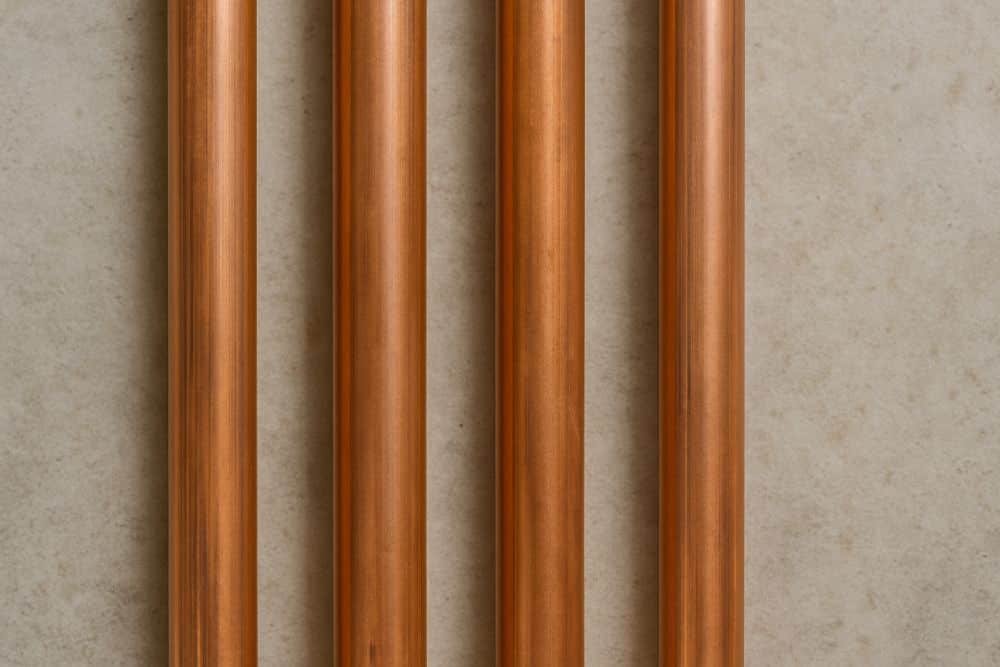
Copper piping has long been the gold standard for residential and commercial water lines. Known for its exceptional durability, copper can last 50 years or more with proper maintenance. Its natural resistance to corrosion makes it an excellent choice for clean, safe drinking water unlike older metal pipes that may leach rust or contaminants. Copper also handles both hot and cold water effectively.
Another advantage of copper is that it won’t degrade under ultraviolet light, so it can be used both indoors and outdoors, especially in exposed areas like basements or near water heaters.
Its rigidity, however, makes it more difficult and costly to install compared to flexible alternatives like PEX. It often requires professional soldering and precise cutting, which is why it’s typically best handled by licensed plumbers.
If your home is experiencing fluctuating water temperature, discolored water, or persistent leaks, it might be time to assess whether aging copper pipes need partial or full replacement. Your pipes need plumbing inspections to assess the condition of your current system, and if necessary, a full repiping service using copper or a more modern alternative.
Copper pipes are also closely connected to common fixture issues. If you’re noticing problems with shower pressure, faucet performance, or toilet flushing, a targeted shower and faucet repair and replacement or toilet repair may address compatibility or corrosion problems related to the existing piping infrastructure.
PEX (Cross-linked Polyethylene)
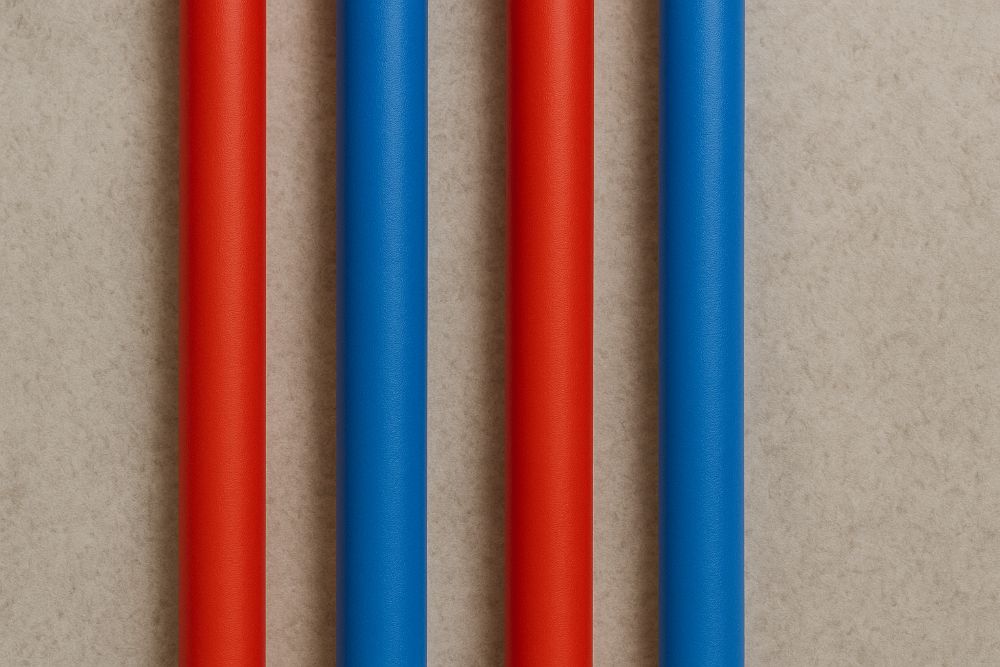
PEX piping has become a staple in modern plumbing systems, especially for residential water supply lines. It offers high flexibility, resistance to corrosion and chlorine, and quick, cost-effective installation.
Unlike copper or rigid PVC, PEX tubing can bend around corners and weave through walls and floors with minimal fittings, which makes it ideal for retrofits, remodels, and tight-access repairs.
PEX handles both hot and cold water efficiently, and it expands slightly under pressure to reduce the risk of pipe bursts during freezing conditions. It’s also quiet, minimizing water hammer and flow noise. It is a common choice for upgrading outdated plumbing systems, especially in older homes or buildings undergoing renovations.
PEX is also often paired with modern water heating solutions, including tankless water heaters and standard water heater installations. Its compatibility with energy-efficient systems ensures optimal flow and reduces heat loss during delivery.
If you’re experiencing long wait times for hot water or inconsistent temperatures, it may be a sign that your current pipe configuration isn’t well-suited for your water heating system.
In basement systems and utility spaces, PEX is often used to support sump pump discharge lines or auxiliary connections. If you’re facing flooding, sump pump failure, or drainage inefficiency, a sump pump repair and installation service ensures your PEX-connected systems are working properly and draining safely.
PVC (Polyvinyl Chloride)
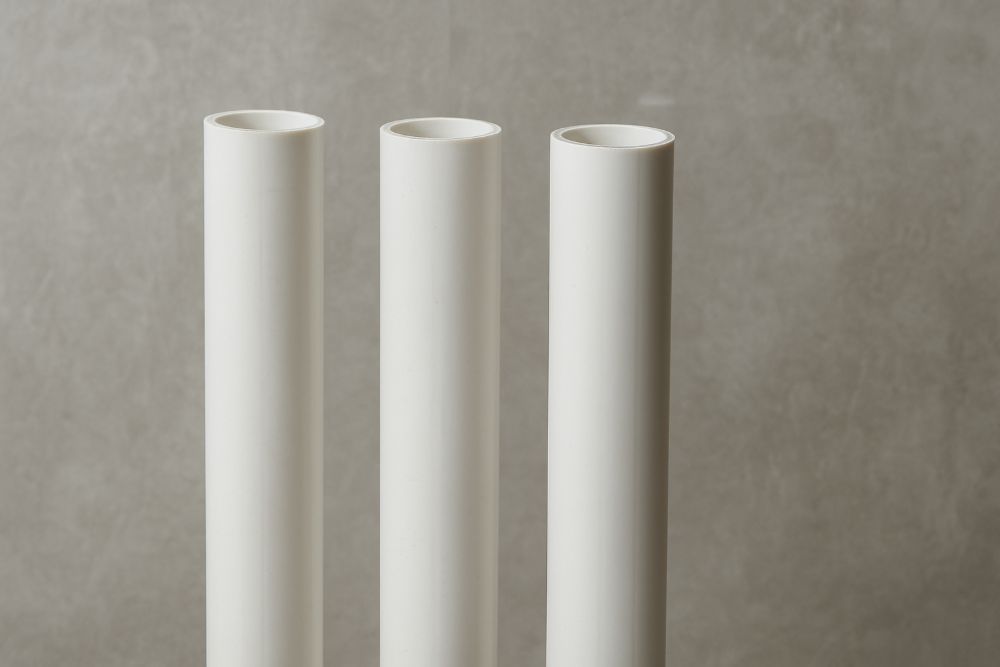
PVC is one of the most widely used materials in modern plumbing—particularly for drainage, waste, and vent (DWV) systems. Its popularity comes from being lightweight, affordable, easy to install, and resistant to chemical corrosion.
PVC pipes are typically found under sinks, in crawl spaces, and along main sewer lines. Their smooth interior helps prevent clogs and promotes efficient wastewater flow.
One major limitation of PVC, however, is that it cannot handle high temperatures, so it’s generally not used for hot water supply lines. Exposure to heat can cause warping or breakdown of the material, which is why it’s mostly restricted to cold water and waste transport.
That said, PVC’s low cost and durability make it a go-to material for non-pressurized applications in both residential and commercial systems.
If you’re dealing with slow drains, foul odors, or frequent backups, your existing PVC pipes may be clogged, damaged, or improperly vented. An expert plumber can conduct services such as drain cleaning, hydro jetting, and sewer replacement to restore proper flow and eliminate obstructions. For larger or older systems, a trenchless sewer repair approach can help repair or replace PVC piping underground without major excavation.
CPVC (Chlorinated Polyvinyl Chloride)

CPVC is a widely used plumbing material that builds on the strengths of traditional PVC by offering enhanced temperature tolerance. Unlike standard PVC, CPVC is treated with chlorine, allowing it to withstand the higher temperatures required for hot water delivery systems.
While CPVC offers solid thermal resistance and is generally easy to install, it is less flexible and more brittle than alternatives like PEX. This means it may be more susceptible to cracking or damage from impact or long-term stress, especially in colder climates or in areas prone to temperature fluctuations.
CPVC is best suited for indoor installations where conditions are stable and exposure to UV light is limited.
If your property relies on CPVC piping and you’re experiencing inconsistent hot water, leaks near water heaters, or sudden drops in water pressure, it may be time to inspect the system.
Galvanized Steel Pipes
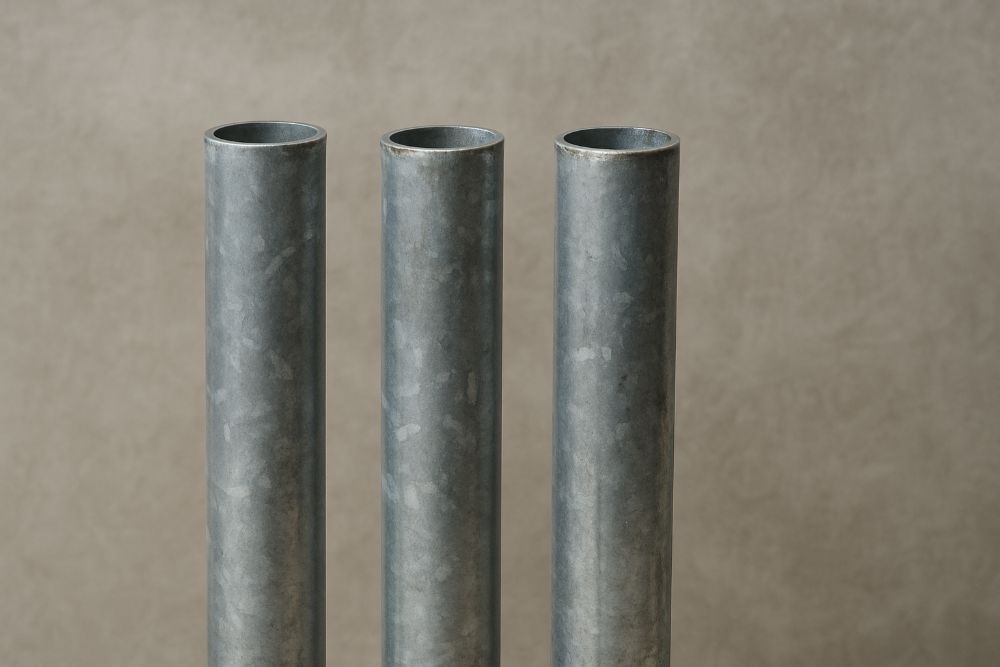
Galvanized steel pipes were once the standard for residential plumbing systems, especially in homes built before the 1960s. These pipes were originally seen as a major improvement over lead, thanks to their zinc coating which provided some protection against rust and corrosion.
However, over time, that coating breaks down, which leads to internal corrosion, mineral buildup, and flow restriction. Today, galvanized piping is widely regarded as outdated and high-risk, particularly for water quality and pressure.
One of the most common signs of failing galvanized pipes is discolored or rusty water, especially when first turning on the tap. You might also notice a steady decline in water pressure or frequent leaks, which stem from the pipe narrowing as corrosion builds inside.
In more advanced cases, the pipes can develop pinhole leaks or complete blockages, disrupting entire sections of your plumbing system.
If your property still has galvanized pipes, it’s strongly recommended to consider a full repiping project using modern materials like copper or PEX. An experienced plumber can perform a complete system assessment and provide durable, code-compliant replacements.
For homes where galvanized pipes are affecting drainage or causing slow-flowing wastewater, hydro jetting may be a temporary solution to clear out accumulated rust and sediment. However, this is often a short-term fix.
Cast Iron Pipes
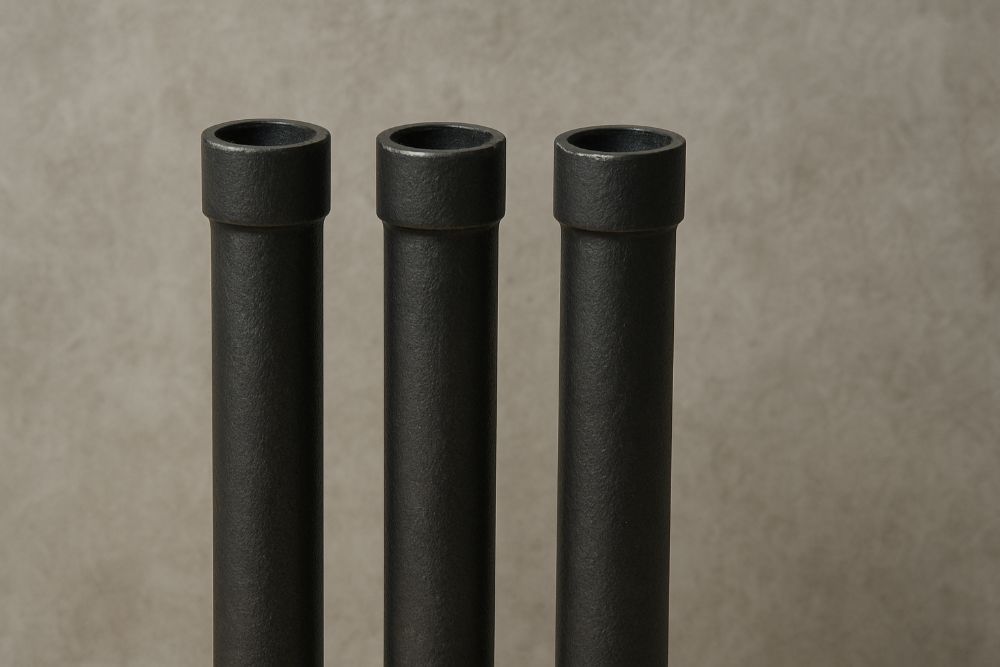
Cast iron pipes were widely used in older homes and buildings for drainage and sewer systems due to their exceptional durability and noise-dampening properties. Even today, cast iron is valued for its solid construction and ability to muffle the sound of flowing wastewater.
However, despite its strength, cast iron has a major vulnerability: long-term corrosion. Over the decades, cast iron gradually deteriorates, particularly on the inside where water, waste, and gases accelerate rusting.
This leads to reduced flow capacity, internal flaking (or tuberculation), and eventually structural failure. These failures often go unnoticed until slow drains, backups, or leaks beneath your foundation arise.
If your home or property has aging cast iron piping, it’s crucial to consider a long-term solution before issues become disruptive or hazardous. A sewer replacement service provides a comprehensive solution to replace failing lines with modern, corrosion-resistant materials.
In many cases, a trenchless sewer repair, which rehabilitates your system without tearing up your yard, driveway, or flooring can be made.
However, in cases where full replacement isn’t immediately feasible, hydro jetting can serve as a short-term maintenance option.
HDPE and ABS Pipes
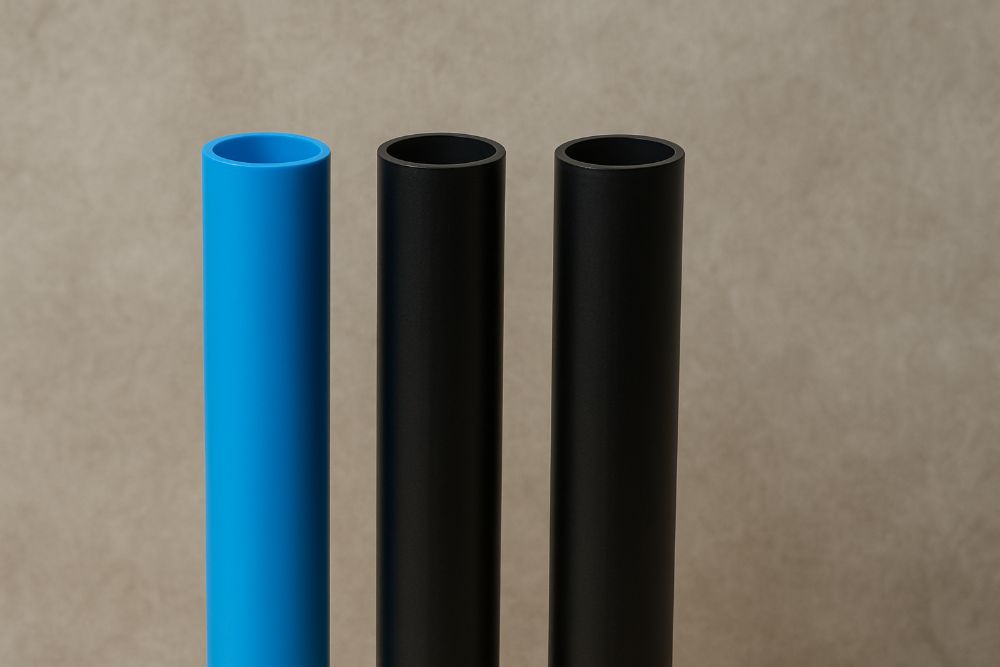
High-Density Polyethylene (HDPE) and Acrylonitrile Butadiene Styrene (ABS) pipes are robust, industrial-grade materials typically used in underground infrastructure, commercial plumbing, and specialized residential applications.
Both materials are known for their exceptional chemical resistance, impact strength, and flexibility, making them well-suited for installations where the soil shifts or where corrosive materials are present in the waste stream.
HDPE piping is often used for water mains, sewer laterals, and trenchless applications, thanks to its ability to withstand pressure, resist root intrusion, and tolerate environmental stress. It is also heat-fusible, meaning sections can be joined without glue, significantly reducing the risk of leaks.
ABS piping, on the other hand, is more rigid and lightweight, commonly used for vent and drain systems, especially in commercial or modular construction. However, ABS is more sensitive to UV light and typically installed in concealed areas or underground.
Because of their durability, both HDPE and ABS are ideal for gas line installations, sewer system upgrades, and long-term infrastructure solutions. If you’re experiencing frequent sewer backups or pipe collapses, a sewer replacement service can determine if HDPE is the right choice for your system.
Is It Time to Replace Your Pipes?
Most homeowners don’t think about their plumbing system until something goes wrong but by then, the damage may already be costly. Recognizing the early warning signs of pipe failure can save you from major water damage, structural issues, or emergency repairs.
Common indicators include low water pressure, discolored or rusty water, frequent leaks, or unusual noises like banging or gurgling. You might also notice damp spots on walls or ceilings, foul odors from drains, or water taking longer to heat.
These can all point to corroded pipes, deteriorated joints, or internal clogs caused by mineral buildup or rust. In homes with older piping these symptoms are often a sign that your plumbing system is near the end of its service life.
If you’re experiencing any of these issues, it’s essential to schedule a professional plumbing inspection to assess the condition of your pipes.
Why You Need a Professional Plumbing Company
While some plumbing issues may seem straightforward, the reality is that different pipe materials require specialized knowledge, tools, and techniques. Working with an experienced plumbing company ensures your system performs safely and efficiently from proper installation and compatibility to long-term durability and code compliance,
Missteps in handling pipes can lead to leaks, pressure imbalances, and even failed inspections. Licensed plumbers are trained to identify which types of pipes are in your home, assess their condition, and recommend the most effective solution.
Contact Us Today
Your plumbing material directly affects the success of upgrades like tankless water heaters, water filtration systems, and sump pump installations. Our team ensures the materials behind your walls are fully aligned with your fixtures, appliances, and local building codes. And when emergencies strike, our 24/7 emergency plumbing services are just a call away, backed by the expertise to handle any pipe type safely and quickly.
When you hire Service Specialities, you’re getting a plumbing partner who understands your home’s infrastructure and how to protect it for the long haul. Contact us to schedule your appointment today.
Frequently Asked Questions