
The right plumbing tools for homeowners can save time, money, and unnecessary stress whether you’re tightening a leaky faucet or unclogging a slow drain. Many common issues can be handled with a few essentials from a reliable plumbing tools list.
But when the job gets too big or complex, these plumbing tasks are best left to professionals so you need to call in the experts from Service Specialities. We help homeowners and property managers in Chantilly, VA and surrounding areas stay prepared for everyday plumbing issues by identifying the right tools for the job, offering expert advice on safe DIY repairs, and stepping in with professional support when more complex problems arise.
In this article, we’ll walk you through the top 10 tools for plumbing every homeowner should have in their toolbox.
Why are Plumbing Tools for Homeowners Important
A clogged sink, leaking faucet, or running toilet can quickly grow into a bigger issue if left unattended. That’s why basic plumbing tools for homeowners are valuable for quick fixes and preventing further damage until a professional can step in.
Common Minor Plumbing Issues Homeowners Face
With the right tools and a little guidance, homeowners can tackle minor plumbing problems such as:
- Tightening a loose faucet or showerhead
- Unclogging a drain or toilet
- Replacing a worn-out washer or O-ring
- Sealing a small leak with plumber’s tape
- Removing mineral buildup from fixtures
These types of issues are common in most households and can often be resolved quickly with minimal effort if the right tools for plumbing are on hand.
Benefits of Having the Right Tools for Plumbing
Benefits of Having the Right Tools for Plumbing
With the right tools on hand, you can avoid costly service calls for simple fixes like tightening fittings or clearing minor clogs. Quick access to these allows you to respond immediately to small issues and prevent eventual water damage.
Over time, regular maintenance using proper tools can extend the life of your plumbing fixtures and systems. Beyond cost savings, having the right equipment builds your confidence in taking on routine tasks safely. You will also avoid makeshift or temporary solutions, which often lead to bigger repairs down the line.
Attempting DIY plumbing without the proper tools can be frustrating, which can be potentially hazardous. Using the wrong wrench or sealant, for example, can damage fittings or pipes and can lead to costly repairs. Equipping your toolbox with the correct tools ensures that any work you do is done efficiently and cleanly. But when you encounter something beyond your skill level, having the right local plumbing professionals on call ensures your system is in expert hands.
Your Plumbing Tools List
When it comes to basic repairs and quick fixes, having the right plumbing tools for homeowners makes all the difference. Below is a curated plumbing tools list every homeowner should consider keeping in their toolkit.
1. Adjustable Wrench
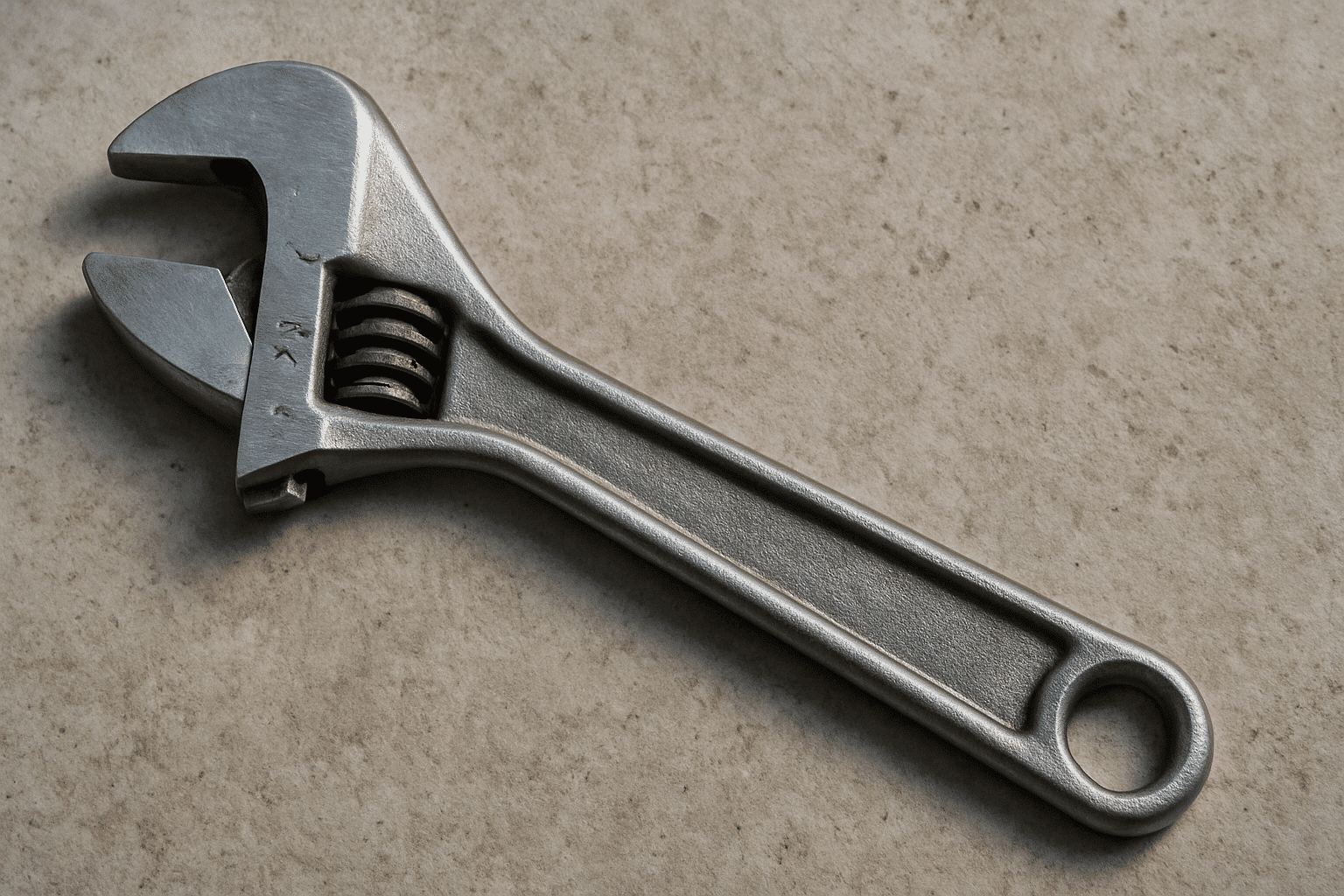
The adjustable wrench is one of the most essential tools for any homeowner handling basic plumbing tasks. With its movable jaw, it adjusts to fit a variety of nut and bolt sizes, making it perfect for tightening loose faucet connections, adjusting water supply lines, or working on toilet repair and leak detection.
It’s especially handy when replacing washers or securing fixtures during minor shower and faucet repairs. For best use, ensure the wrench is tightly secured to avoid damaging fittings. While it’s a reliable go-to for quick fixes, more complex issues like persistent leaks or corroded fittings, it may require a professional plumbing inspection or even repiping, depending on your system’s condition.
2. Pipe Wrench
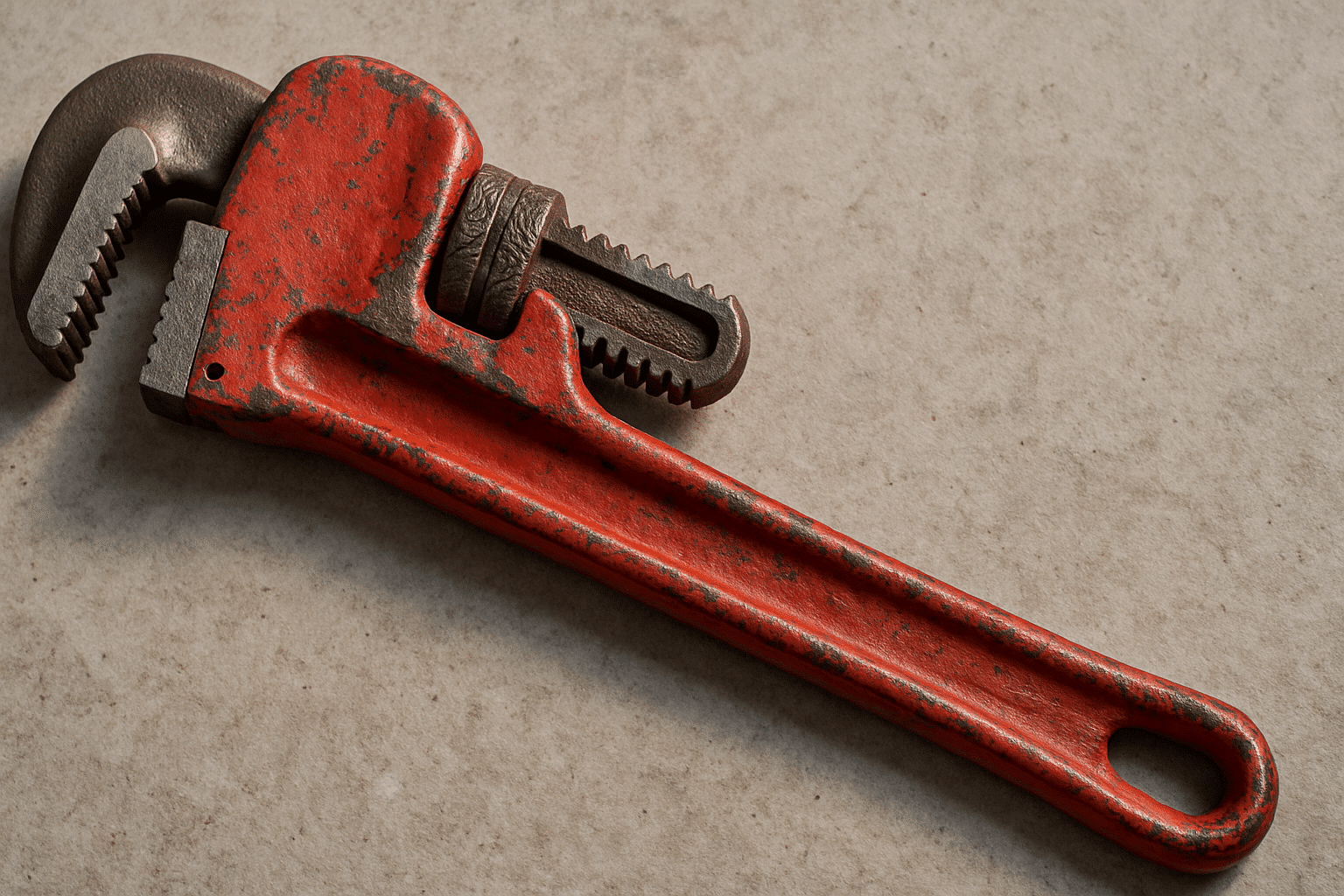
The pipe wrench is a heavy-duty tool designed for gripping and turning threaded metal pipes, which make it essential for tackling tougher plumbing jobs in older homes with aging infrastructure. Its serrated jaws provide a strong grip, ideal for loosening rusted or stuck pipe joints during repiping projects or gas line repairs.
For optimal use, homeowners should use two wrenches together where one is for stabilizing the pipe and the other to turn the fitting, and the other to avoid twisting or damaging the plumbing. While effective for DIY tasks like tightening exposed piping or removing fittings under sinks, stubborn connections or widespread corrosion are signs it’s time to call in professionals for sewer replacement, emergency plumbing services, or a thorough plumbing inspection.
3. Plungers (Cup and Flange Types)
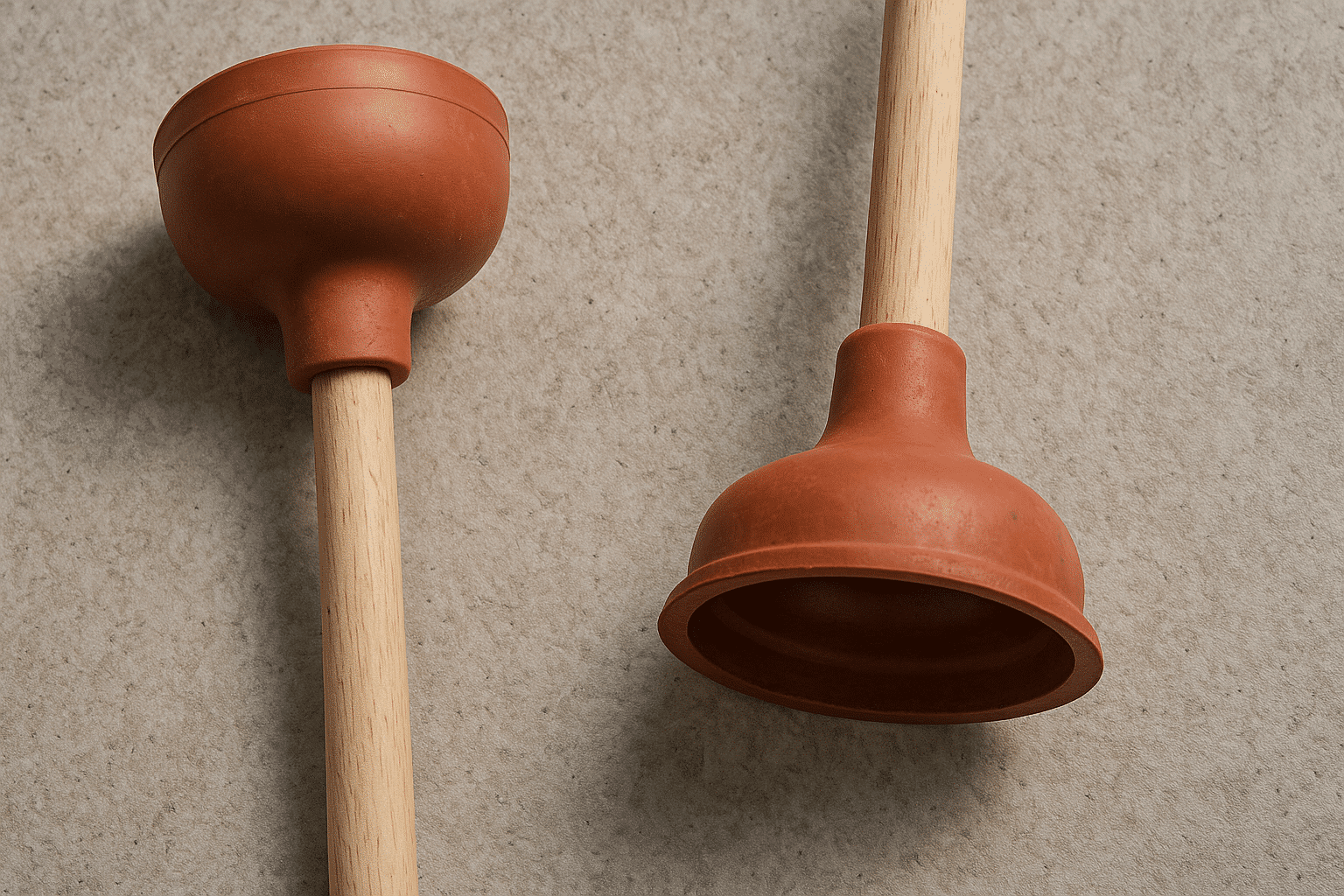
Every homeowner should have two types of plungers: a cup plunger for sinks and tubs, and a flange plunger for toilets. These simple yet powerful tools are often the first line of defense against drain clogs and toilet backups, allowing you to clear minor blockages without the need for harsh chemicals or pipe disassembly.
However, if plunging doesn’t solve the problem or if clogs keep recurring, it may indicate a deeper issue requiring professional hydro jetting, toilet repair, or even sewer replacement. In such cases, scheduling a plumbing inspection can help prevent long-term damage and costly repairs.
4. Plumber’s Tape (Teflon Tape)
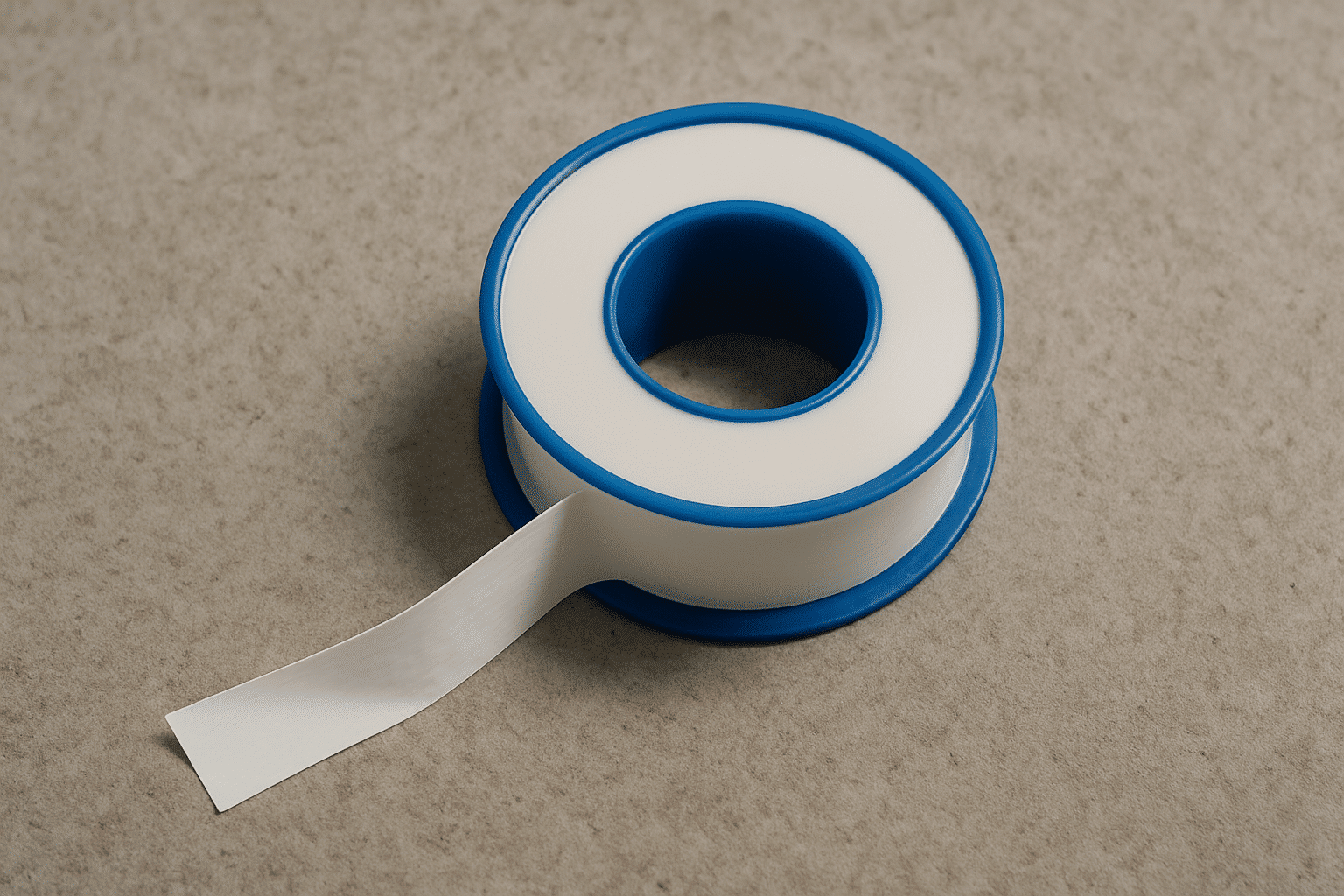
Plumber’s tape, also known as Teflon tape, is a must-have for any DIY plumbing project involving threaded pipe joints. This thin, flexible tape wraps around threads to create a watertight seal and to prevent leaks in both water lines and gas line connections. It’s particularly useful when installing or replacing showerheads, faucet fixtures, or garbage disposals, where a secure, leak-free connection is critical.
For homeowners, it’s one of the easiest and most cost-effective ways to avoid small leaks that can lead to bigger issues. However, if you’re noticing persistent drips or pressure problems even after sealing, it might be time to consider leak detection, shower and faucet repair, or a full plumbing inspection by professionals.
5. Pipe Cutter
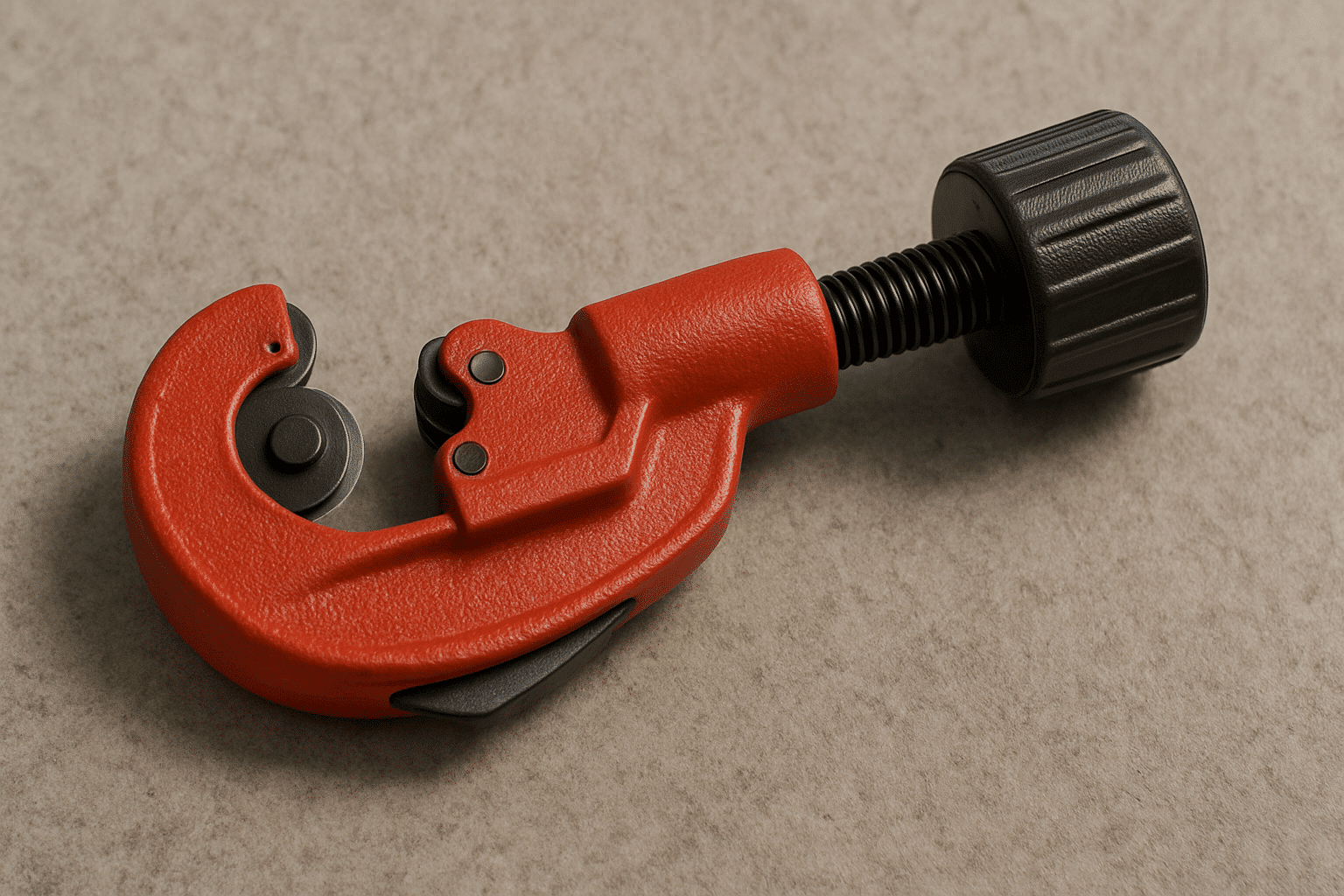
A pipe cutter is an essential tool for any homeowner taking on pipe replacement or modification projects. Whether you’re working with copper, PVC, or PEX, a pipe cutter delivers clean, straight cuts that ensure proper fitting and reduce the risk of leaks.
It’s especially helpful in tight or awkward spaces where using a hacksaw would be difficult or unsafe. This tool is commonly used in small-scale DIY fixes, but if you’re dealing with widespread corrosion, frequent leaks, or an aging system, it may be time to consider professional repiping, trenchless sewer repair, or a complete sewer replacement.
6. Basin Wrench
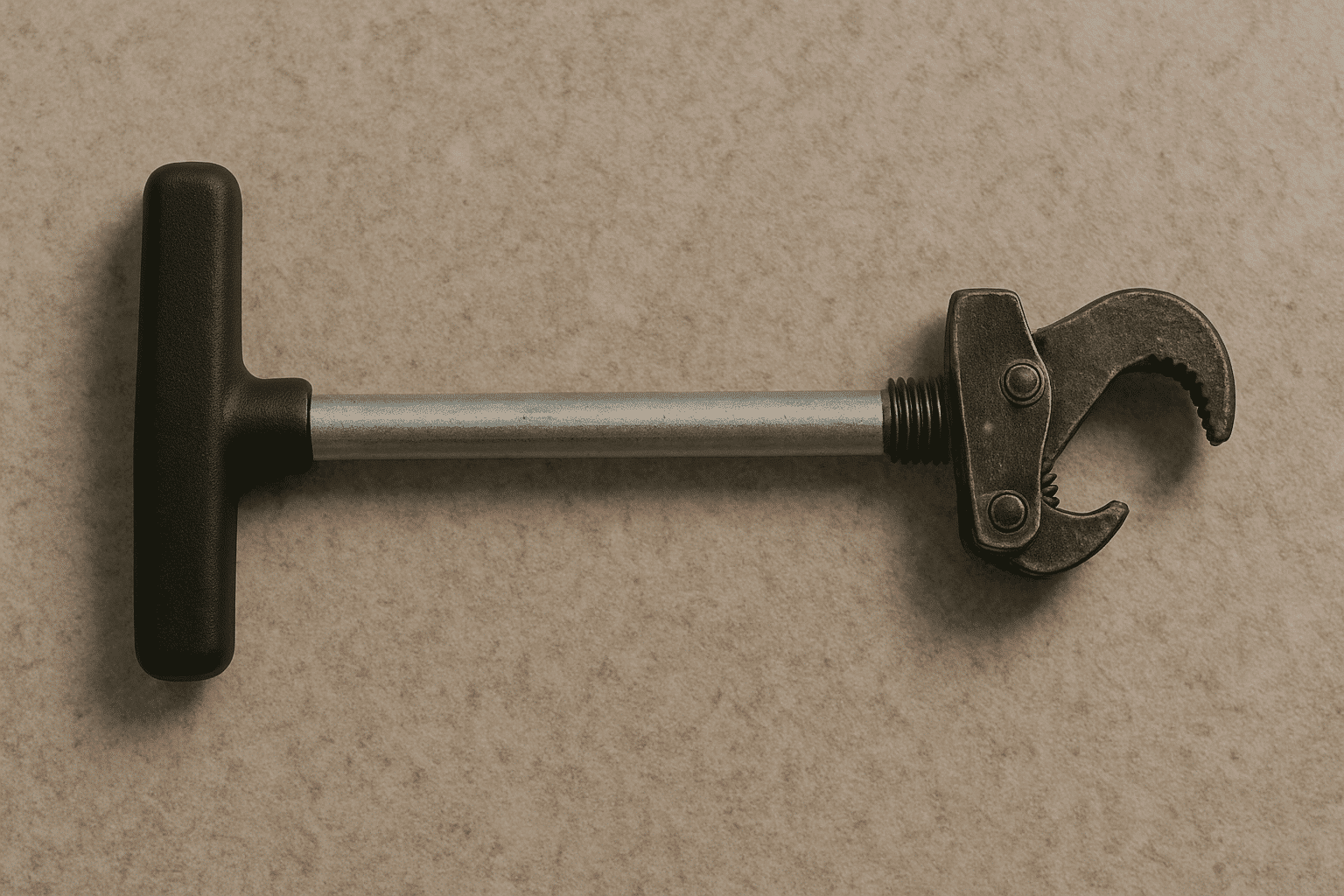
The basin wrench is a specialty tool every homeowner should have for working in tight, confined spaces—especially under sinks. Its long handle and pivoting jaw make it perfect for reaching and tightening the mounting nuts on faucets, a task that’s nearly impossible with standard wrenches.
Whether you’re installing a new fixture or fixing a loose one, the basin wrench makes shower and faucet repair far more manageable. It’s especially useful during minor upgrades or when dealing with leaks around the base of a sink.
However, if the issue involves corroded hardware, water damage, or low water pressure, it may require professional leak detection, a full plumbing inspection, or assistance from experts in water quality or fixture replacement.
7. Hand Auger (Plumber’s Snake)

When a standard plunger can’t clear the blockage, a hand auger, also known as a plumber’s snake, is the next go-to tool. Designed to reach deeper into drain lines, it’s ideal for removing stubborn clogs in bathtubs, sinks, and shower drains. By manually feeding the coiled cable into the pipe and rotating the handle, homeowners can break through buildup or retrieve obstructions.
While it’s effective for minor blockages, repeated backups or foul odors may signal a more serious issue in the main line. In such cases, professional drain clog removal, hydro jetting, or sewer replacement may be necessary to fully restore flow. A thorough plumbing inspection can help pinpoint the source and prevent future problems.
8. Pliers (Slip-Joint and Channel Lock)
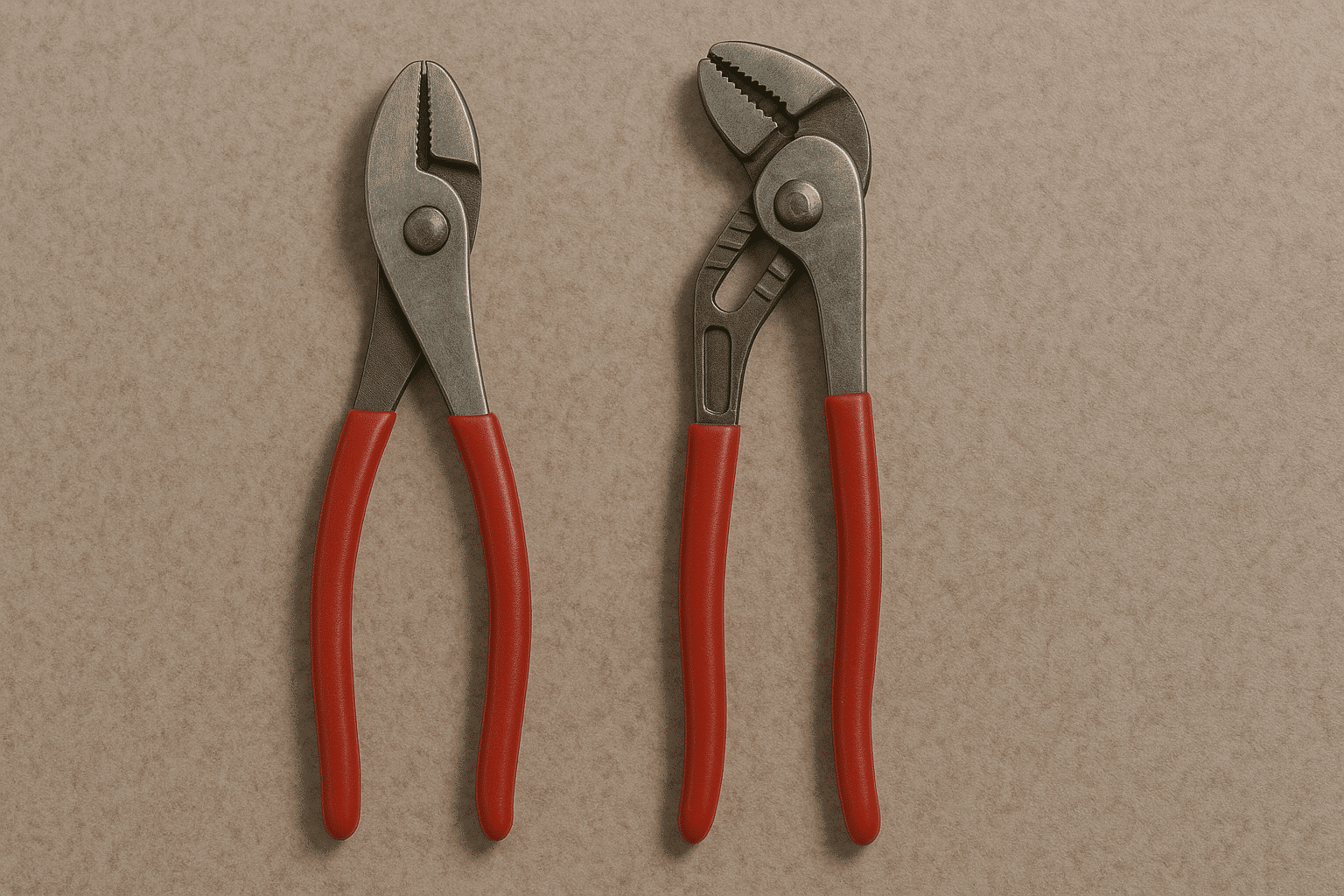
Pliers—especially slip-joint and channel lock pliers—are indispensable tools for any DIY plumbing task. They provide the grip and leverage needed to twist, tighten, pull, or hold parts in place during repairs. Channel lock pliers, with their wide jaw capacity, are especially helpful for gripping large fittings and turning stuck or rusted components, such as those found in water heaters, garbage disposals, or sump pumps.
While they’re useful for routine fixes, overtightening or forcing parts can lead to pipe damage or leaks. If you’re dealing with aging components or frequent part failures, it may be time to consult a professional for plumbing inspections, water heater service, or repiping to ensure long-term reliability.
9. Caulking Gun
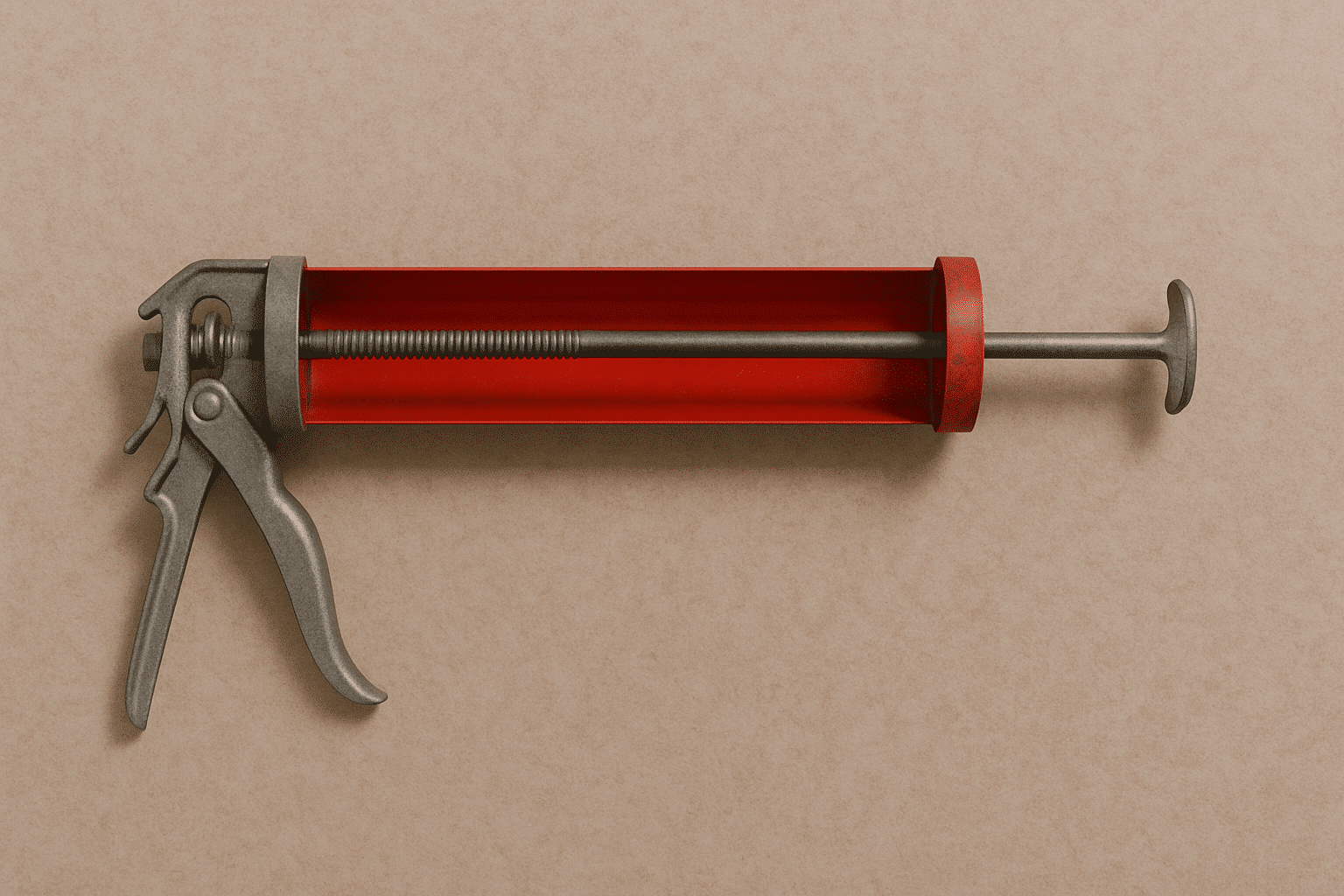
A caulking gun is a key finishing tool for sealing gaps around sinks, tubs, showers, and other plumbing fixtures. It helps prevent water from seeping into walls, floors, and cabinetry—protecting your home from long-term moisture damage, mold, and rot. Homeowners can use it to refresh worn-out caulk lines or seal newly installed fixtures after a DIY repair.
Proper sealing is especially important after tasks involving shower and faucet replacement, toilet repair, or water filtration system installations. While re-caulking is a straightforward DIY job, signs of persistent moisture, warped surfaces, or soft drywall may indicate hidden leaks—best diagnosed through leak detection or a professional plumbing inspection.
10. Bucket and Rags
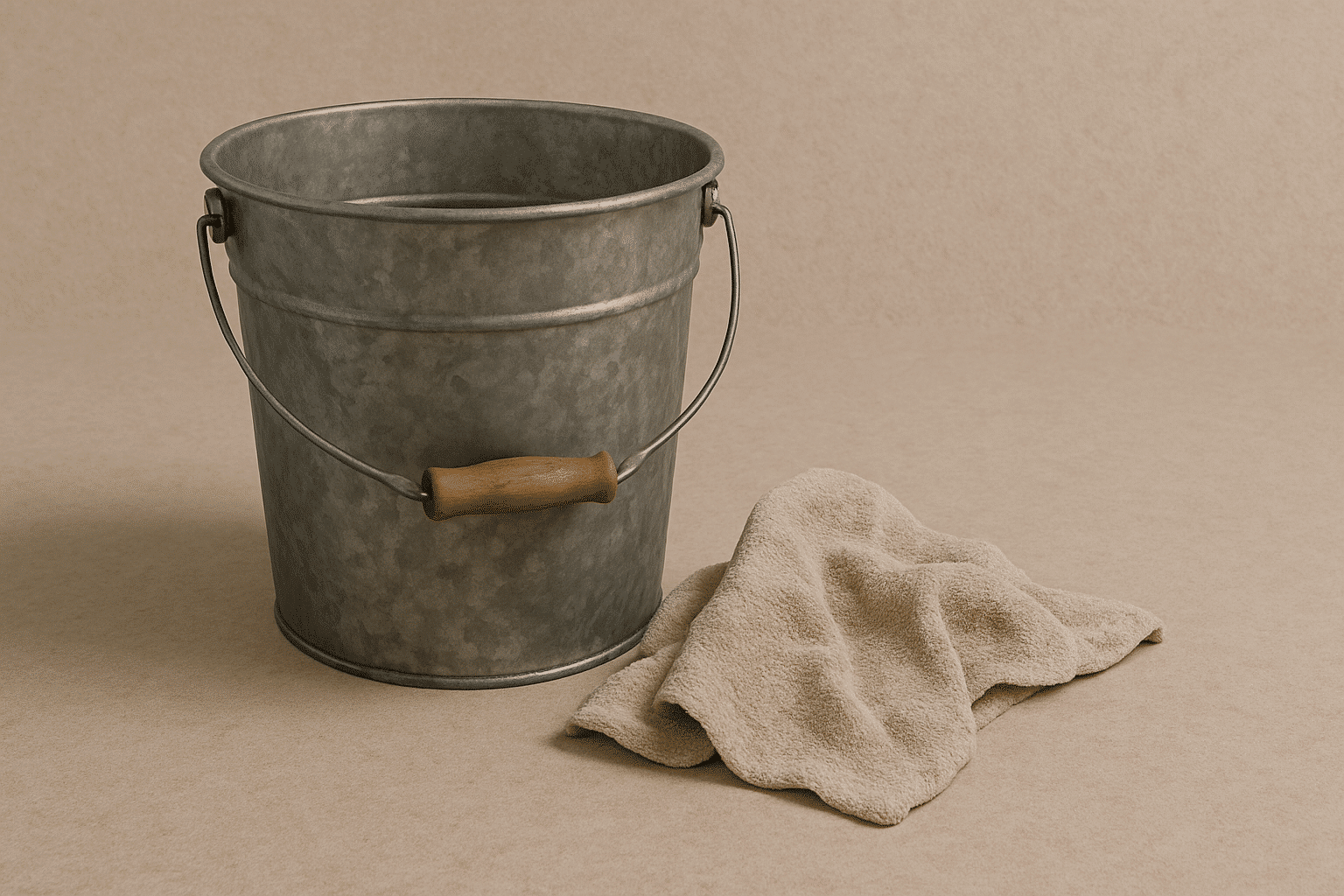
Often underestimated, a bucket and a few absorbent rags are essential tools for any plumbing task—DIY or professional. They serve as your first line of defense against unexpected spills, dripping pipes, or water discharges during repairs.
Whether you’re emptying a sink trap, disconnecting a toilet for service, or draining a water heater, having a bucket nearby can prevent water damage and keep your workspace safe and dry. Rags are equally important for wiping fittings, cleaning surfaces, or checking for slow leaks after a repair.
If you find yourself constantly dealing with unexpected water or recurring damp areas, it may be time to schedule leak detection or a thorough plumbing inspection to identify underlying issues before they become costly problems.
Why You Need a Professional Plumbing Company
While DIY plumbing tools can handle small repairs, more complex issues often require the precision, experience, and diagnostic insight that only a professional plumbing company can provide. Knowing how and when to use tools like pipe wrenches, hand augers, or basin wrenches is one thing—but understanding what those tools are revealing about your plumbing system is another.
Persistent clogs, hidden leaks, inconsistent water pressure, or aging fixtures may signal underlying issues that go beyond the reach of a homeowner’s toolbox. Our licensed plumbers use advanced techniques like leak detection, hydro jetting, and plumbing inspections to accurately diagnose problems and prevent further damage. Whether it’s a deteriorating pipe that needs repiping, a malfunctioning toilet or garbage disposal, or the need for a new water heater or filtration system, we provide safe, code-compliant solutions tailored to your home. For peace of mind, long-term efficiency, and reliable performance—leave the complex work to the pros.
Contact Us Today
Having the right DIY plumbing tools like plungers, wrenches, and augers can help you tackle small problems and perform basic maintenance around the home. These tools are essential for stopping minor issues before they become major ones. But even the best-equipped homeowner will eventually face a plumbing challenge that requires more than what’s in a toolbox.
So when emergencies strike like a burst pipe or major backup, our emergency plumbing services are just a call away to bring you our expertise to handle any pipe type safely and quickly.
When you hire Service Specialities, you’re getting a plumbing partner who understands your home’s infrastructure and how to protect it for the long haul. Contact us at (703) 991-0909 or schedule your appointment today.
Frequently Asked Questions
