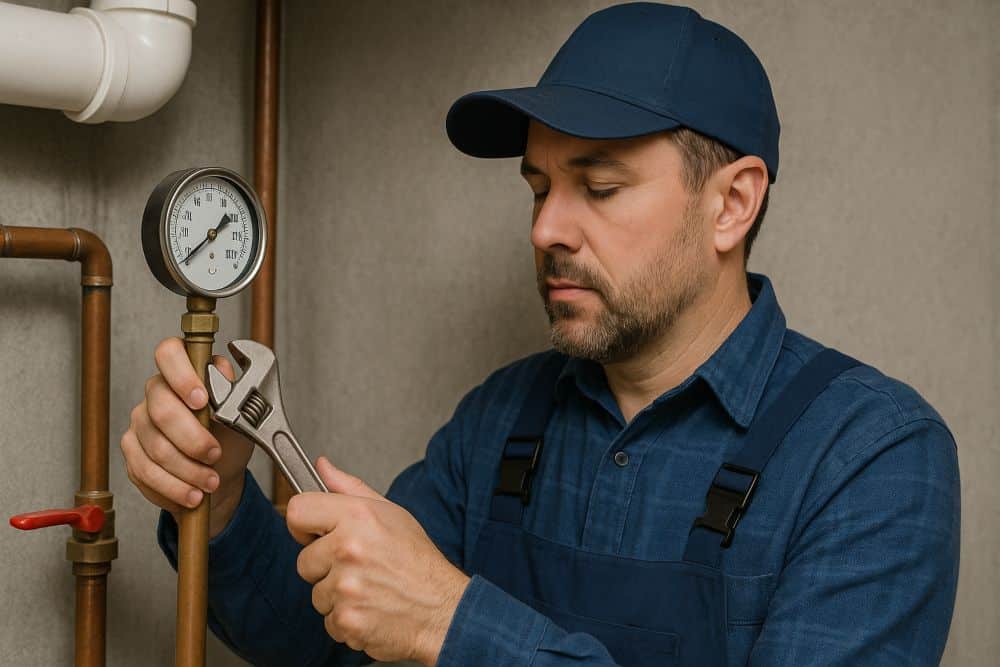

Water pressure problems can disrupt daily routines, damage plumbing fixtures, and signal deeper issues within your home’s water system. Whether you’re dealing with weak flow from faucets or sudden pressure surges, identifying the root cause is key to long-term solutions. In some cases, the issue lies with your plumbing layout or municipal supply but in others, water pressure tank problems may be to blame.
But when water pressure problems become persistent or complex, it’s time to call in the experts from Service Specialities. We help homeowners and property managers in Chantilly, VA and surrounding areas diagnose the root cause of pressure issues whether it’s a faulty pressure regulator, pipe blockage, or water pressure tank problem.
In this article, we’ll explore common causes of pressure issues, signs to watch for, and expert tips on how to fix water pressure problems before they lead to costly repairs.
Signs You Have Water Pressure Problems
In most residential homes, standard water pressure ranges between 40 to 60 PSI (pounds per square inch). A reading below 40 PSI is typically considered low, while anything above 60 PSI may be too high and could put unnecessary strain on your plumbing system.
Consistent, balanced water pressure is crucial for the proper functioning of showers, faucets, dishwashers, washing machines, and other appliances. When pressure falls outside the ideal range, it can lead to a host of problems such as inefficient water flow, damaged fixtures or pipe bursts.
Some of the most common indicators that you may be experiencing water pressure problems:
1. Weak Flow from Faucets or Showerheads
If your fixtures are delivering a slow or inconsistent stream of water, especially in multiple areas of the home, this could signal low water pressure or a developing blockage.
2. Sudden Drops or Spikes in Pressure
Abrupt changes in pressure—such as strong flow turning weak mid-use—are red flags. These fluctuations could stem from a failing pressure regulator or hidden leaks within your plumbing system.
3. Noisy or Banging Pipes
Also known as “water hammer,” loud banging sounds in your pipes when turning water on or off often point to excessively high water pressure. Left unchecked, this can damage fittings and lead to pipe failure.
4. Poor Appliance Performance
Appliances like dishwashers and washing machines rely on stable water pressure. If they’re not cleaning effectively or taking too long to complete cycles, pressure imbalance may be the culprit.
5. Uneven Pressure in Different Fixtures
Experiencing strong water flow in one bathroom and weak flow in another often indicates a localized pressure issue or partial blockage in specific lines.
If you’re unsure about your water pressure levels, a simple pressure gauge can be attached to an outdoor spigot or laundry faucet to provide a quick reading. However, fluctuations or extreme readings may point to underlying issues that require a deeper evaluation, such as clogged pipes, faulty regulators, or water pressure tank problems, especially in homes with well systems.
Keeping water pressure within the recommended range helps extend the life of your plumbing system and appliances. When pressure is too low or too high, it’s a sign that something may be going wrong—and professional diagnostics may be the safest path forward.
Common Causes of Water Pressure Problems
Water pressure issues can stem from a variety of sources. Below are the most common reasons homeowners experience water pressure problems:
1. Clogged or Corroded Pipes
Over time, mineral buildup and corrosion inside old galvanized steel or iron pipes can restrict water flow. This gradual narrowing reduces pressure at the fixture level and may require professional repiping for a lasting solution.
2. Partially Closed Valves
If your main shut-off valve or water meter valve isn’t fully open, it can limit water flow throughout your home. Checking these valves is a simple first step when diagnosing low pressure.
3. Faulty Pressure Regulator
A malfunctioning pressure regulator (also called a pressure-reducing valve) can cause water pressure to be either too low or dangerously high. If you’re experiencing widespread fluctuations, this component may need adjustment or replacement.
4. Municipal Supply Issues
In some cases, the problem isn’t within your home at all. Your local water utility may be delivering low pressure due to maintenance work, peak usage times, or regional water restrictions. Installing a booster pump may be an option if low supply pressure is persistent.
5. Water Pressure Tank Problems (For Well Systems)
If your home relies on a well, the water pressure tank plays a crucial role in regulating flow. A failing tank due to a ruptured bladder or incorrect pressure settings can cause noticeable drops in water pressure or constant cycling of your well pump. These issues typically require professional diagnostics and repair.
How to Fix Water Pressure Problems
Once you’ve recognized the signs of water pressure issues, the next step is determining whether it’s a simple fix or something that needs a professional’s attention. Below are the steps you can take to troubleshoot the issue along with guidance on when to call in licensed experts.
1. Check and Fully Open Shut-Off Valves
Sometimes, a partially closed main water valve or individual fixture valve is the culprit. Ensure all valves are fully open to allow maximum flow throughout your system.
2. Clean Faucet Aerators and Showerheads
Mineral buildup in faucet aerators and showerheads is a common cause of low pressure. Remove the affected parts and soak them in vinegar to dissolve debris. This is often enough to restore pressure in sinks and showers, especially after shower and faucet repairs.
3. Inspect and Adjust the Pressure Regulator
Homes equipped with a pressure-reducing valve (PRV) may benefit from careful adjustment. Using a wrench, you can increase or decrease pressure within a safe range—but over-adjustment can damage fixtures or water-dependent appliances like tankless water heaters.
4. Use a Pressure Gauge to Measure PSI
Attaching a pressure gauge to an outdoor spigot or washing machine connection provides a reliable reading. Ideal residential pressure falls between 40 to 60 PSI. Anything significantly outside this range may require further attention.
Why You Need a Professional Plumbing Company
If these basic steps don’t resolve the problem, or if the issue is system-wide, it’s time to consult a professional. You should contact a licensed plumber if you experience:
Ongoing low pressure or inconsistent flow
If you’re constantly dealing with weak flow from multiple fixtures or experiencing fluctuations in pressure throughout the day, this often signals a systemic issue. Causes may include sediment buildup in pipes, a failing pressure regulator, or restrictions in your main water line.
These issues require expert diagnostics, and in many cases, a plumbing inspection to pinpoint the exact source.
Loud pipe noises, banging, or vibration
Unusual sounds in your plumbing (often referred to as “water hammer”) occur when fast-moving water suddenly stops or changes direction. This can happen due to high pressure, unsecured pipes, or faulty shut-off valves. Left unchecked, it can damage joints and fixtures.
Professional intervention may involve securing the piping, installing pressure-reducing valves, or inspecting for risks that could lead to leak detection or pipe failure.
Suspected issues with your water pressure tank or well system
For homes on private wells, the water pressure tank plays a key role in regulating consistent flow. Common problems include short-cycling, loss of pressure, or total system failure due to a ruptured bladder or incorrect air pressure levels.
These are complex systems where a professional plumber’s calibration and repair expertise is essential to avoid pump burnout and ensure safe operation.
Corroded pipes that may require repiping
Older plumbing materials, such as galvanized steel or cast iron, corrode over time—restricting flow and potentially contaminating your water supply. Signs include rusty water, frequent leaks, and reduced pressure in multiple areas.
In these cases, a comprehensive repiping service may be the best long-term solution to restore performance and water quality.
Pressure-related damage to appliances or fittings
High or fluctuating pressure can cause stress on plumbing fixtures, seals, and appliances like water heaters, sump pumps, or tankless systems. If you’re noticing premature wear, strange appliance behavior, or water pooling near units, pressure imbalance could be the root cause.
A licensed plumber can evaluate your pressure levels and determine whether adjustments or repairs are needed to prevent further damage.
Contact Us Today
Our team at Service Specialties Inc. provides advanced diagnostics to determine the root cause of pressure issues. We help homeowners avoid costly long-term damage from conducting thorough plumbing inspections to identifying hidden leaks with leak detection.
Whether the solution involves pressure regulator replacement, water heater repair, or restoring system flow with hydro jetting or drain clog cleaning, we deliver lasting results.
When you hire Service Specialities, you’re getting a plumbing partner who understands your home’s infrastructure and how to protect it for the long haul. Contact us to schedule your appointment today.
Frequently Asked Questions